
The camera may be steadier this time, but the terror is just as unrelenting. [REC] 4: Apocalypse, the concluding chapter of the iconic Spanish horror franchise, trades its found-footage origins for a more traditional cinematic approach — but it sacrifices none of the dread that made the original films so unforgettable. Directed once again by franchise co-creator Jaume Balagueró, this sequel is a claustrophobic, nerve-wracking thriller that brings the [REC] saga full circle, while leaving a lingering chill that no cure can erase.
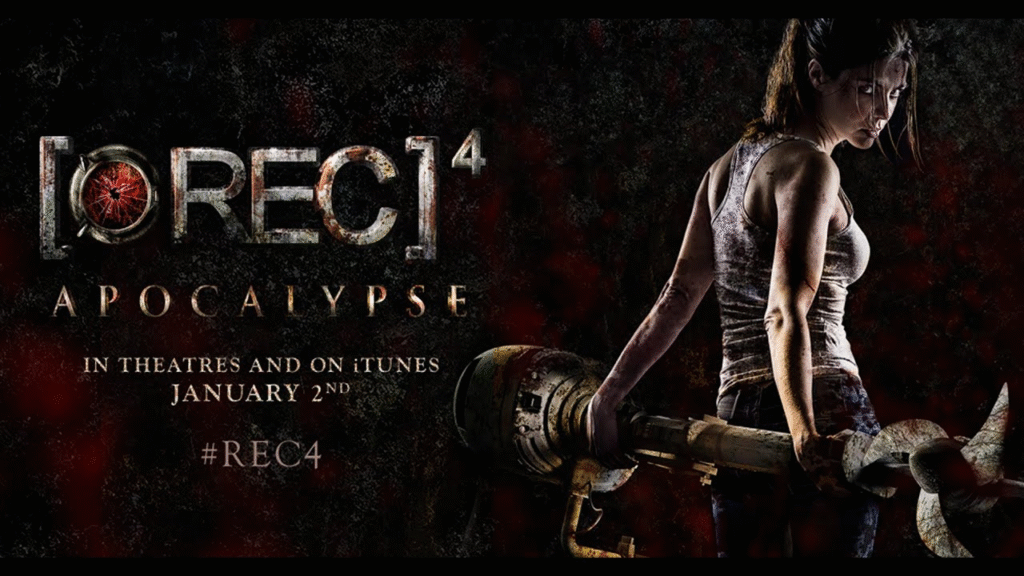
Manuela Velasco returns as Ángela Vidal, the embattled journalist whose descent into a demon-infested apartment building first ignited the nightmare in [REC] (2007). This time, she awakens aboard a massive quarantine ship in the middle of the ocean, surrounded by scientists and soldiers hoping to neutralize the outbreak once and for all. But when the infection resurfaces, the floating lab becomes a tomb — and Ángela’s past returns to haunt her in ways she never expected.
From the start, the film wastes no time tightening the screws. The ship’s sterile hallways and metallic corridors, drenched in blue-gray hues and buzzing with dread, create a suffocating sense of isolation. There’s no help coming, no escape. And as the parasite jumps from host to host, suspicion replaces solidarity. The infected aren’t the only threat — paranoia becomes its own kind of virus.

Balagueró deftly blends science fiction and horror, taking the supernatural-tinged origin of the virus hinted at in previous installments and giving it a chilling biological twist. The film explores how far governments and scientists will go in the name of containment — even if it means sacrificing survivors like Ángela to keep the truth buried beneath the waves.
Velasco is once again magnetic in the lead role. Her portrayal of Ángela has evolved — from ambitious reporter to traumatized survivor, to reluctant hero. Her internal battle is just as compelling as her external one, especially as the film teases whether the evil she faced in the apartment ever truly left her. When the question of who the real host is finally explodes into the open, the stakes become terrifyingly personal.
While the shaky cam of previous entries is largely gone, the tension remains razor-sharp. The action sequences are slick, brutal, and frantic, with tight editing and inventive choreography. One standout moment sees a frantic pursuit through the ship’s engine room, ending in a gory showdown that reminds us: this is still [REC] — and it’s not pulling any punches.

The supporting cast includes an ensemble of hardened soldiers, opportunistic scientists, and one very determined cook — all of whom play their roles with believable panic and grit. Their interactions highlight the moral ambiguity of containment versus survival, and give the film the grounded weight it needs amid the blood and bile.
The climax is an explosive, pulse-pounding confrontation that blends body horror, flamethrowers, and a final twist that shifts the nature of the virus — and the franchise — once more. The film ends not with closure, but with the uncomfortable implication that the horror hasn’t ended. It has simply adapted.
While [REC] 4: Apocalypse marks the end of the series’ main arc, it’s less about answers and more about atmosphere — the dread of knowing the monster can’t be locked away forever. For fans of the franchise, it’s a gripping and emotionally satisfying conclusion that honors what came before while forging its own hellish identity.
A fitting finale to one of the most terrifying franchises in modern horror, [REC] 4 asks the most horrifying question of all: what if the evil wasn’t in the building… but inside us all along?
