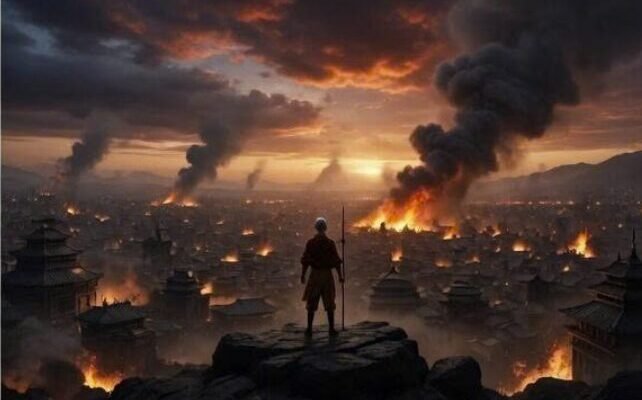
The beauty of Avatar: The Last Airbender has never been its bending, its battles, or even its incredible world-building. At its heart, it has always been a story about growing up too fast in a world desperate for a hero. As the journey enters the Earth Kingdom, that theme becomes more powerful than ever. The adventure is larger, the dangers are greater, and for Aang, the burden of being the Avatar is becoming impossible to ignore.
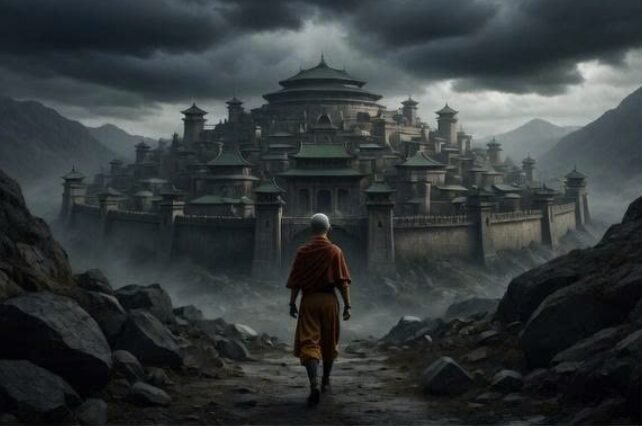
The story begins to shift in a fascinating way once the group leaves familiar territory behind. The Earth Kingdom is vast, diverse, and filled with both hope and heartbreak. Towering cities rise above ancient landscapes while entire communities struggle beneath the growing shadow of the Fire Nation’s expansion. Every location feels alive with history, culture, and the scars of a war that has lasted far too long.
Aang remains one of fantasy’s most compelling heroes because he never wanted this responsibility. Unlike traditional chosen ones who dream of greatness, Aang longs for a simpler life—a life that disappeared the moment he learned he was the Avatar. As the conflict grows larger, he begins realizing that avoiding his destiny may no longer be possible.
What makes this chapter especially engaging is how it explores the emotional cost of leadership. Aang is still a child, yet every nation he visits looks to him as their last hope. The expectations placed upon him become heavier with each passing day, creating an emotional tension that runs beneath every adventure.
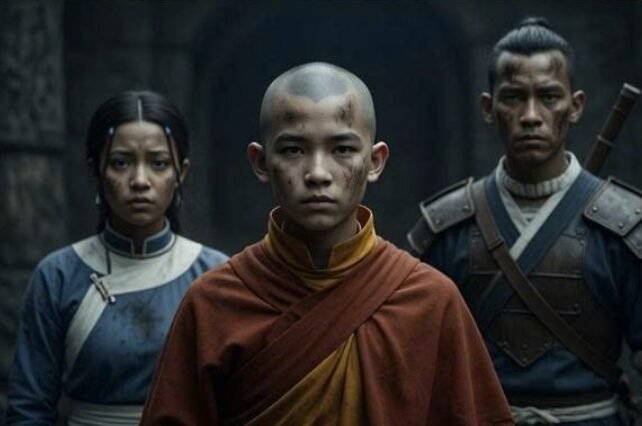
Katara continues to be the emotional anchor of the group. Her compassion, determination, and unwavering belief in doing what is right provide stability whenever uncertainty threatens to overwhelm the team. She constantly reminds Aang—and the audience—that strength is not measured solely through power.
Sokka remains one of the story’s greatest assets. His humor provides welcome relief during darker moments, but what truly makes him valuable is his perspective. Unlike the benders surrounding him, Sokka succeeds through intelligence, creativity, and resilience. His growth transforms him into far more than comic relief.
The Earth Kingdom itself introduces some of the richest world-building in the entire franchise. Massive fortified cities, hidden villages, ancient traditions, and powerful earthbenders create a setting that feels both expansive and deeply personal. The nation becomes more than a backdrop—it becomes a reflection of a world fighting to survive.
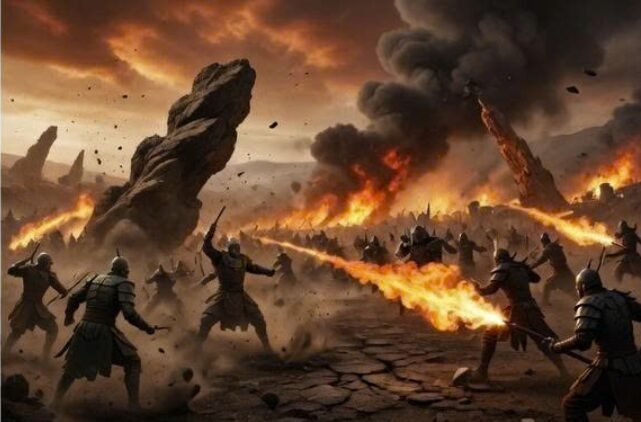
Visually, the bending battles continue to be extraordinary. Earth and fire collide with breathtaking force while water and air move with graceful beauty. Yet the most impressive aspect is how every bending style reflects the culture and philosophy behind it, making each confrontation feel unique.
One of the story’s strongest elements is its introduction of unforgettable allies. New friendships emerge throughout the journey, bringing fresh perspectives and emotional depth. These characters help Aang understand that saving the world is not something he must do alone.
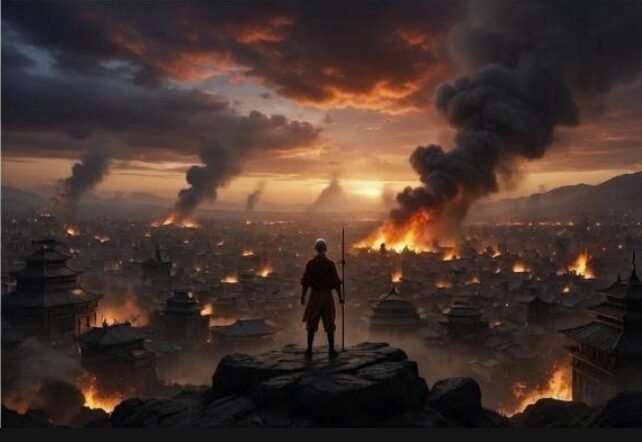
Beneath the action and adventure lies a deeper theme about responsibility. The closer Aang comes to his destiny, the more he understands that being the Avatar is not about mastering the elements—it is about making impossible choices when no perfect solution exists.
By the final act, this chapter of Avatar: The Last Airbender evolves into something far greater than a simple fantasy adventure. Nations move toward war, alliances are tested, and the future of the world grows increasingly uncertain. Every step Aang takes carries him closer to the confrontation he has feared since the beginning.
Because destiny is not a road waiting to be followed…
It is a burden that must be carried, even when the weight feels impossible.
