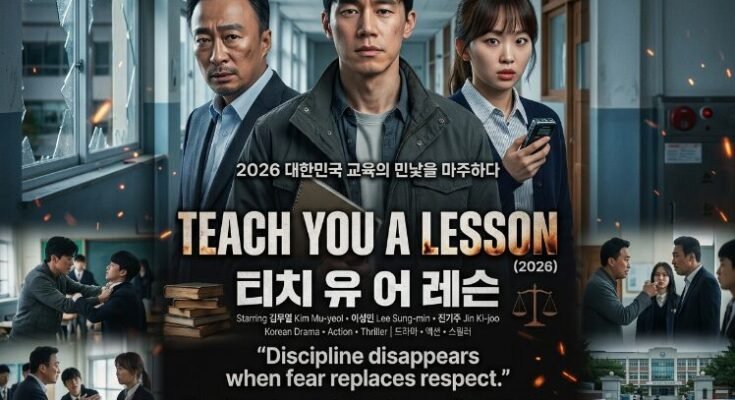
Some systems are built to guide people. Others are built to control them. TEACH YOU A LESSON (2026) enters that fragile space where education is no longer about learning alone, but about authority, pressure, and the dangerous moment when respect turns into fear.
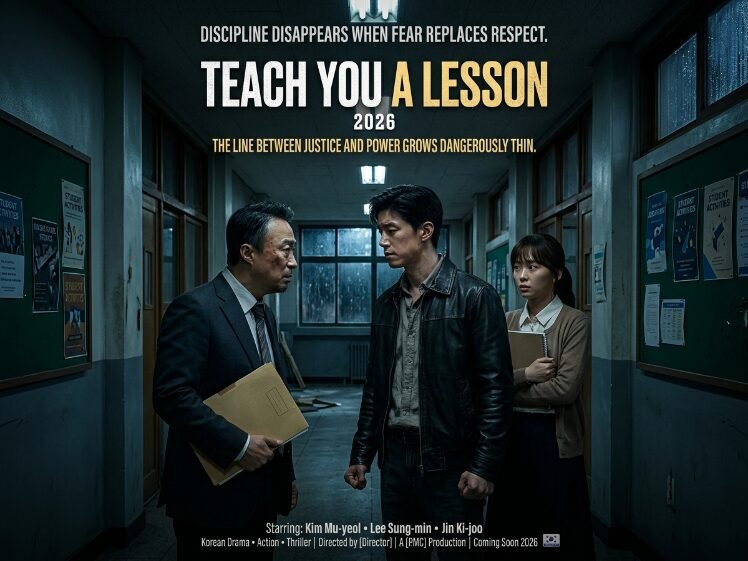
Set inside a collapsing education system, the story unfolds in schools where violence is rising, trust is fading, and the line between discipline and abuse becomes harder to define with every passing day. What once felt like safe spaces for growth slowly transform into battlegrounds of ideology, punishment, and survival.
Kim Mu-yeol brings a grounded intensity to a system under strain, portraying a character forced to navigate moral decisions where every choice carries consequences far beyond the classroom. His presence reflects the emotional burden of authority—where doing what is “right” is rarely simple or clean.
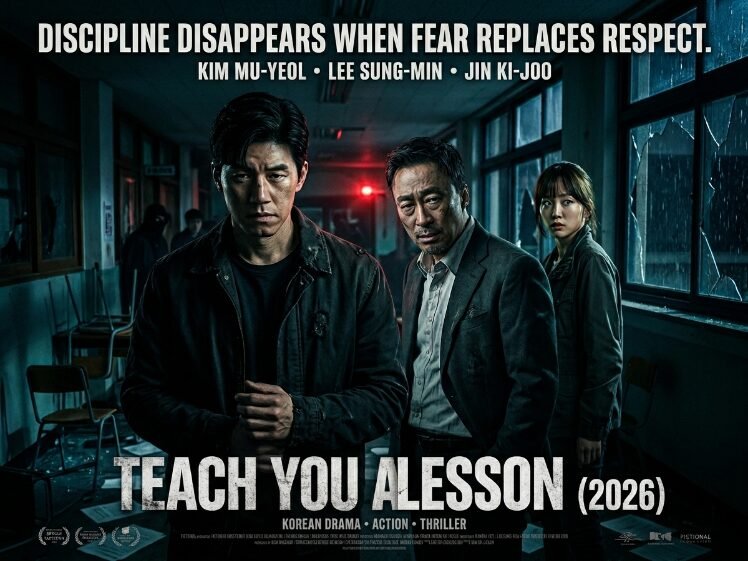
Lee Sung-min adds emotional gravity and complexity, embodying the generational weight of a system built on tradition but struggling to adapt to modern realities. His character feels shaped by experience and compromise, carrying the quiet exhaustion of someone who has seen too much change and too little resolution.
Jin Ki-joo introduces a more emotionally human perspective, reflecting the voices of those caught inside the system rather than controlling it. Her role feels essential because it brings vulnerability into a world increasingly defined by conflict and institutional pressure.
What makes TEACH YOU A LESSON especially compelling is how it expands beyond school walls. As government supervisors step in, the situation escalates into something larger—exposing hidden corruption, systemic failures, and uncomfortable truths about how authority is maintained and challenged.
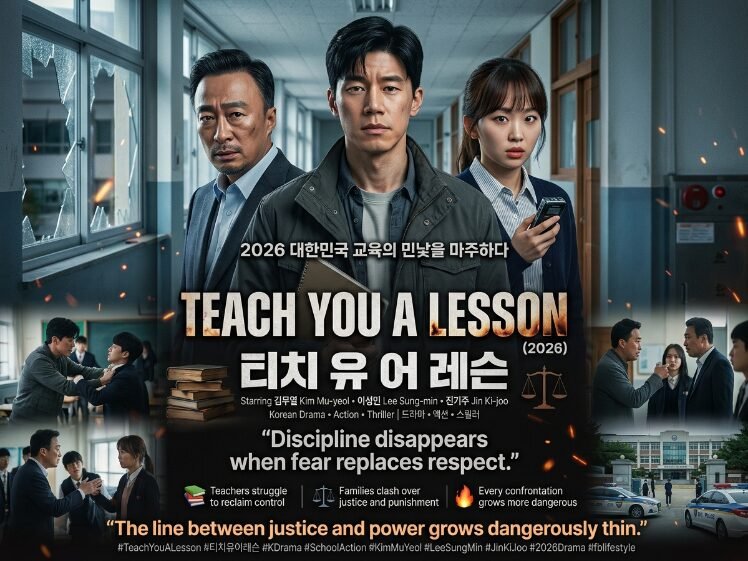
The tension builds not through simple confrontation, but through ethical conflict. Teachers are forced to question how far discipline should go. Families argue over justice and punishment. Students become caught between protection and control, unsure who truly represents their interests.
Visually and emotionally, the drama feels tense and restrained. Quiet hallways, locked classrooms, formal meetings, and sudden outbursts of chaos create a rhythm that mirrors instability itself—calm moments constantly interrupted by emotional pressure.
Yet beneath the conflict lies a deeper question about responsibility. Who is accountable when systems fail? Individuals? Institutions? Or the culture that allows imbalance to continue unchecked for years? The story does not offer easy answers because none exist.
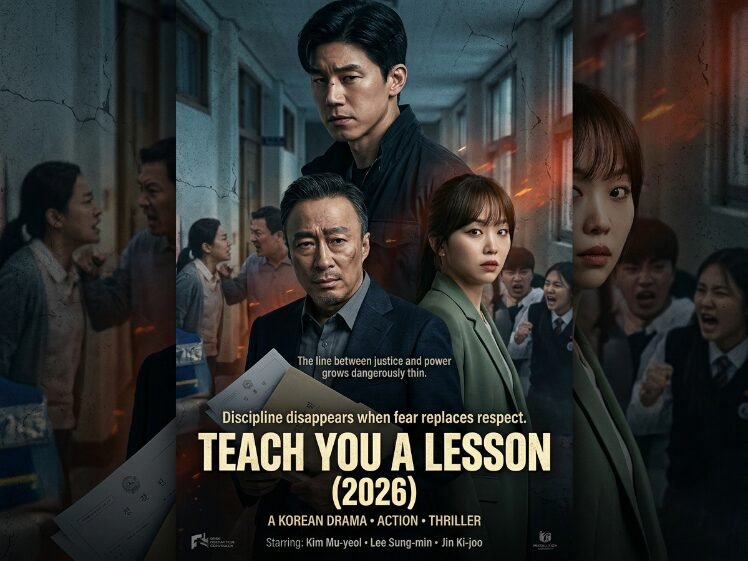
At its emotional center, TEACH YOU A LESSON asks a difficult question: when does discipline stop teaching and start harming? And once that line is crossed, can it ever truly be repaired?
Because if TEACH YOU A LESSON (2026) understands one truth, it is this: every action inside a broken system carries consequences—and sometimes the hardest lesson is realizing the system itself needs to change.
