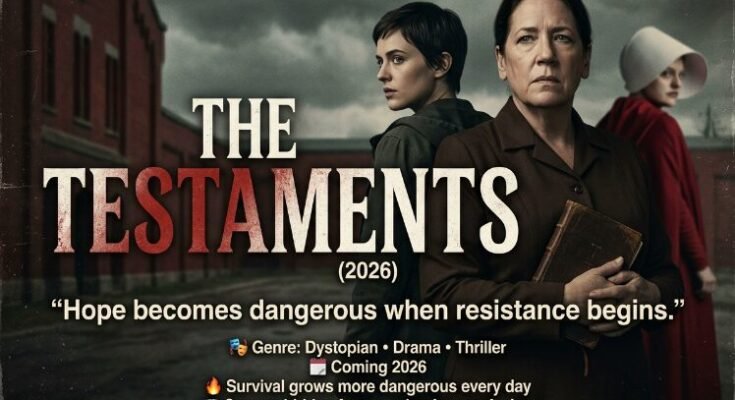
Some systems survive through violence. Others survive because fear convinces people that resistance is impossible. THE TESTAMENTS returns audiences to the terrifying world shaped by Gilead, but this time the story feels even more emotionally charged—because after years of silence, survival alone no longer feels enough. Hope itself becomes rebellion.
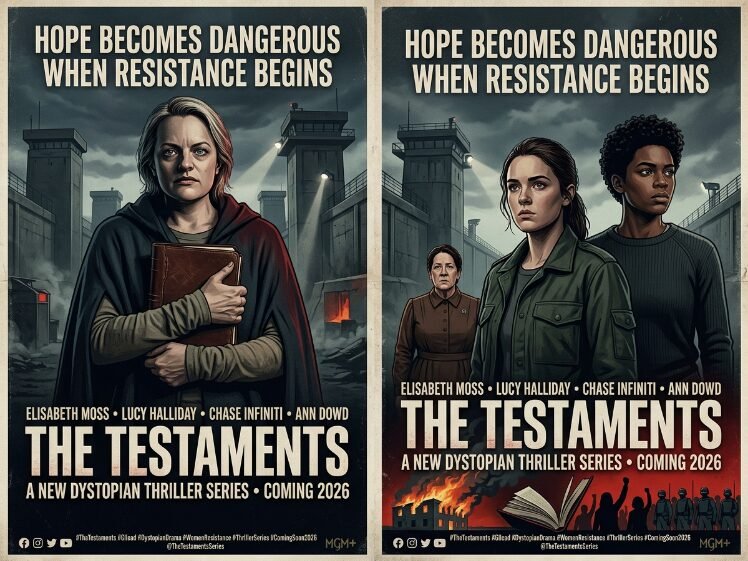
For longtime audiences still haunted by The Handmaid’s Tale, the return to Gilead carries emotional weight impossible to ignore. This world has always felt terrifying not simply because of oppression, but because of how familiar it can feel—power disguised as order, fear disguised as protection, and cruelty hidden behind rigid systems pretending to offer stability.
Yet THE TESTAMENTS feels different. If previous stories focused on enduring unimaginable suffering, this new chapter seems determined to ask what happens after fear begins losing its grip. What changes when people stop asking how to survive—and start asking how to fight back?
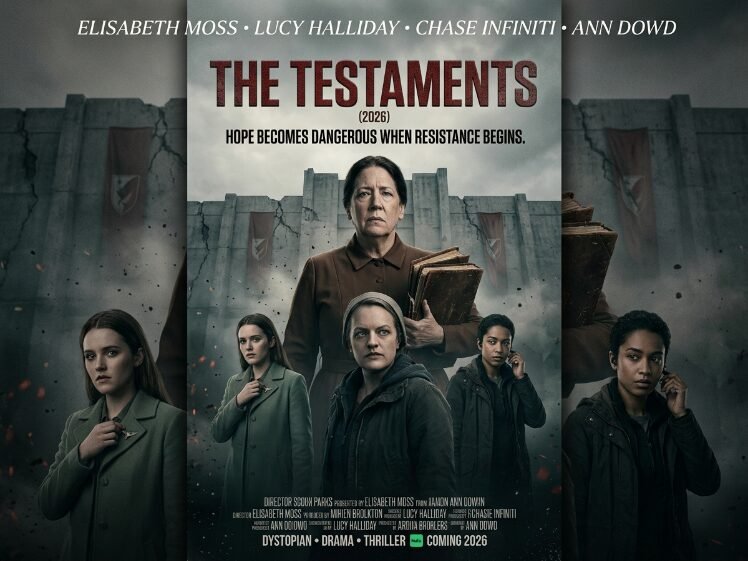
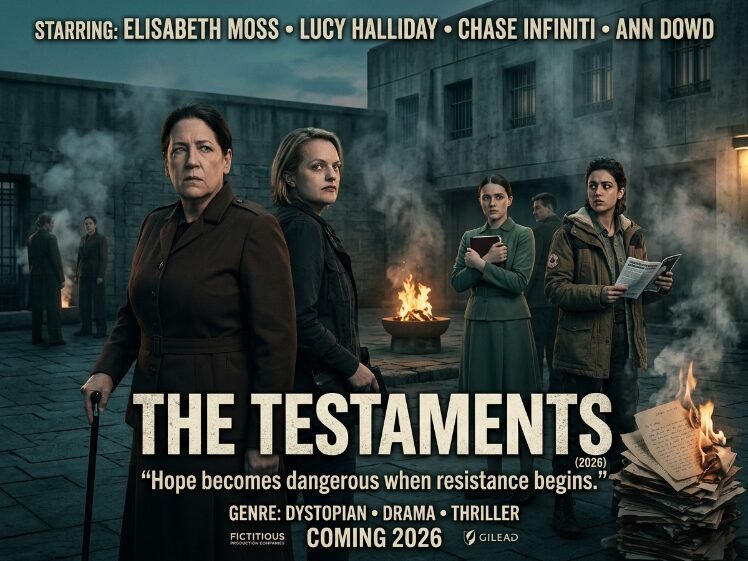
Elisabeth Moss once again brings emotional intensity to a world built upon pain, resilience, and impossible sacrifice. Her presence feels deeply symbolic because June Osborne has always represented something larger than survival: defiance. Even after everything taken from her, she became proof that resistance can survive where hope seems impossible.
Lucy Halliday and Chase Infiniti introduce a younger emotional perspective, representing a generation shaped by systems they never chose yet brave enough to question. Their presence adds urgency because revolutions often begin not through certainty, but through younger voices daring to imagine something different.
Ann Dowd’s return immediately deepens the emotional complexity. Few characters in modern dystopian storytelling feel as morally unsettling as Aunt Lydia—a figure capable of cruelty, contradiction, and moments of unsettling humanity. Her presence reminds audiences that power often corrupts people in complicated ways.
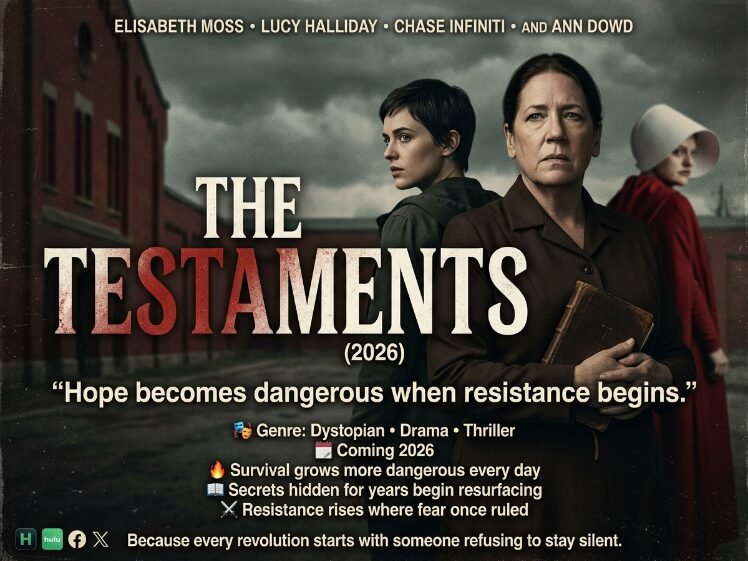
What makes THE TESTAMENTS especially compelling is how naturally it treats secrets as weapons. Hidden truths buried for years begin resurfacing, fragile alliances emerge, and trust becomes increasingly dangerous. In worlds built upon lies, truth itself transforms into something revolutionary.
Visually, the dystopian atmosphere still feels chillingly effective. Cold architecture, muted colors, quiet surveillance, and oppressive silence continue creating an environment where fear seems woven into ordinary life. Even stillness feels threatening because danger rarely announces itself in Gilead.
Yet beneath the political tension lies something deeply emotional: courage. Not grand heroism, but quieter bravery—the kind required simply to speak, to question, to hope when punishment feels inevitable. THE TESTAMENTS seems deeply invested in exploring the painful emotional cost of resistance.
At its emotional center, the story asks one devastating question: how much are people willing to sacrifice for freedom? Change rarely arrives without pain, revolutions demand impossible choices, and survival itself becomes more dangerous the moment people stop obeying fear.
For audiences drawn to emotionally intelligent dystopian storytelling, this feels like a powerful continuation—one shaped not only by suffering, but by the fragile, terrifying possibility that oppressive systems can eventually crack.
Because if THE TESTAMENTS understands one truth, it is this: silence may protect power for a time—but courage, once awakened, becomes impossible to control.
