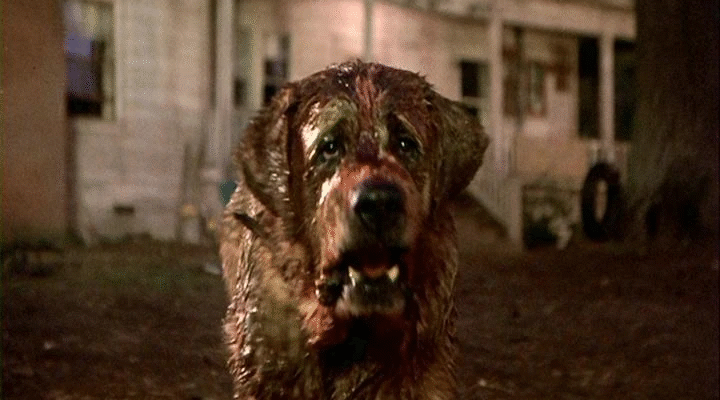
Few horror stories have burrowed so deeply into the cultural psyche as Stephen King’s Cujo. Now, in 2025, this nightmare returns not as a simple remake but as a full-blooded reimagining, one that sharpens the fangs of the original tale and sinks them straight into the anxieties of a new generation. The result is a film that feels both achingly familiar and brutally fresh, a claustrophobic descent into survival horror that never loosens its grip.
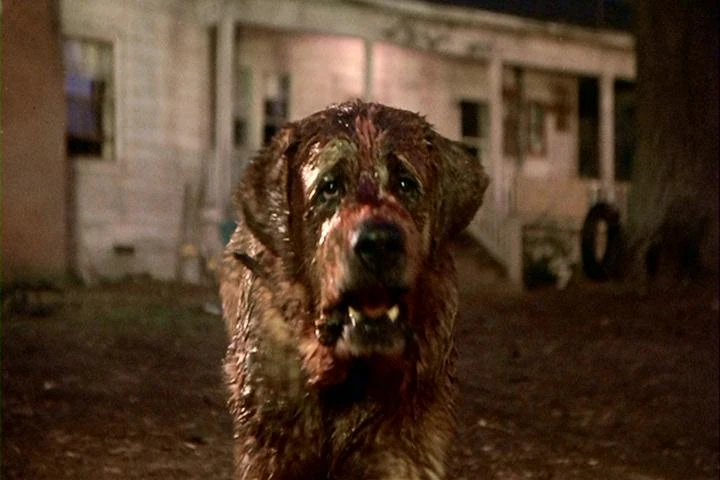
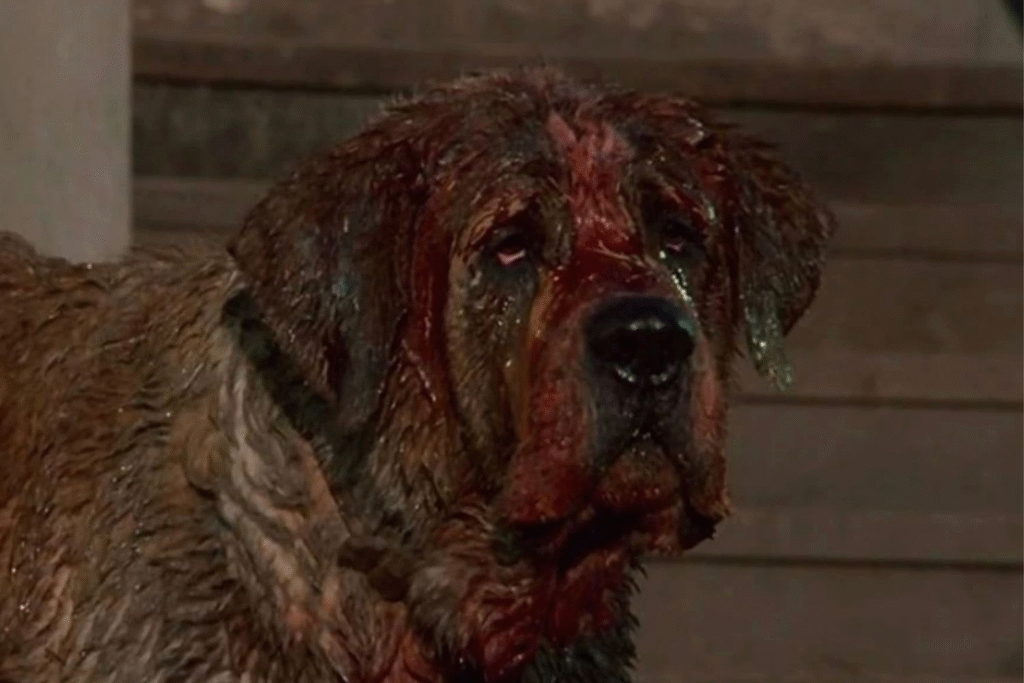
At its core, Cujo – A Reimagining is still the story of a mother and child trapped in the worst possible place: a broken-down car, baking in the heat, stalked by what was once a loyal family dog. But this version doesn’t rely solely on nostalgia. The filmmakers lean into the raw physicality of the premise, turning the Saint Bernard into a monstrous force of nature — less an animal and more a storm of fury, teeth, and madness. Each moment the camera lingers on Cujo’s heaving chest, bloodshot eyes, or slavering jaws is a reminder of how fragile human flesh really is.
What elevates this reimagining above mere homage is its unflinching atmosphere of dread. The car, once a symbol of safety and escape, becomes a coffin on wheels. The sunlight outside doesn’t promise freedom; it punishes, baking both mother and child in a suffocating heat that gnaws at their endurance. Survival becomes not just about fending off Cujo, but about fighting the body’s slow surrender to exhaustion, thirst, and despair.
The relationship between mother and son becomes the emotional spine of the story. Their fear is palpable, but so too is their resilience. Every whispered promise, every tearful moment of comfort, feels like a fragile thread holding them together against an unstoppable tide. It’s in these quiet exchanges, contrasted with the brutal assaults outside the car, that the film finds its most devastating power.
Cujo himself is rendered with terrifying realism. Practical effects merge seamlessly with digital enhancements to create a creature that is all too believable. His movements are unpredictable — sometimes slow and stalking, sometimes exploding into violent frenzy. This unpredictability mirrors the chaos of nature itself: beautiful, loyal, but capable of sudden, horrifying destruction. The film refuses to demonize Cujo as pure evil; instead, he’s presented as a tragic victim of infection, a loyal friend turned weapon by forces beyond his control.
The horror here is not supernatural, but primal. It’s the terror of knowing that something once trusted and loved can be transformed into an enemy. The dog was man’s best friend, until he wasn’t. That inversion of safety is what makes Cujo linger long after the credits roll. It isn’t just a story about a rabid animal—it’s about betrayal, about the fragility of human security, and about how quickly the familiar can become lethal.
Visually, the film traps you in its oppressive atmosphere. The sweat-streaked glass, the suffocating heat waves rising from the hood, the shadows that stretch long across the barren road—all combine to create a visual language of entrapment. The camera rarely lets us leave the mother and child’s perspective, making the audience feel the same stifling helplessness. Every scrape of Cujo’s claws on metal, every growl vibrating through the frame, becomes a visceral jolt to the system.
The pacing is relentless. Where many horror films falter in their second act, Cujo – A Reimagining thrives in the sustained pressure. The longer the ordeal lasts, the more unbearable it becomes—not through cheap jump scares, but through the mounting psychological toll of endurance. You can almost taste the dryness in their mouths, feel the sting of the sun, and hear the unending rasp of Cujo’s labored breath outside.
By the final act, the film transcends simple monster horror and becomes a brutal meditation on willpower. The mother’s transformation from terrified victim to ferocious protector is both heart-wrenching and triumphant. It’s not just about defeating Cujo—it’s about defying despair itself. The victory, when it comes, feels earned through sweat, blood, and unbreakable determination.

What makes this reimagining so effective is its refusal to sensationalize. It respects the source material while digging deeper into the raw terror at its heart. It’s not about gore or spectacle—it’s about survival against something that should never have been a threat, but now is. It’s about the fragility of safety, the cruelty of fate, and the primal instinct to protect the ones you love.
Cujo – A Reimagining (2025) delivers exactly what a modern retelling should: reverence for the original, sharpened by modern filmmaking craft, and infused with fresh terror for a new audience. It strips away any comfort, leaving viewers breathless and shaken. Because in the end, the scariest monsters aren’t the ones we invent—they’re the ones we once trusted.
