
Few television series understand emotional devastation quite like THE HANDMAID’S TALE. It has never been easy viewing, never designed for comfort, and certainly never interested in simple victories. Season 6 arrives carrying the weight of everything that came before—a world exhausted by cruelty, fractured by fear, yet still refusing to surrender completely to hopelessness.
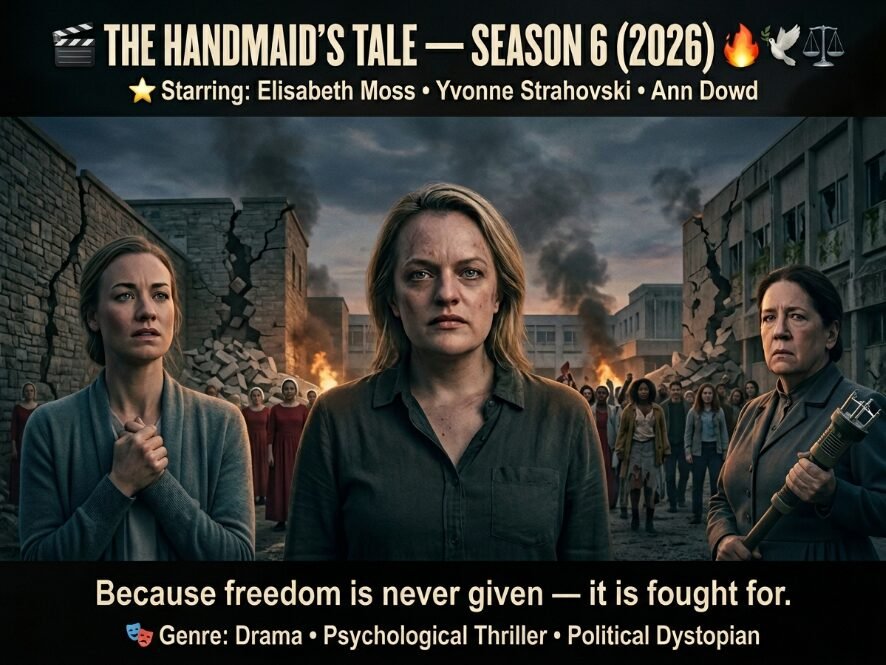
This new chapter feels less like the continuation of a story and more like the beginning of a reckoning. Gilead, once terrifying in its absolute control, begins to show cracks from within. Power becomes unstable, loyalty grows uncertain, and the quiet certainty that oppressive systems last forever slowly starts to unravel beneath pressure from those brave enough to resist.
Elisabeth Moss once again delivers a performance filled with emotional intensity that feels impossible to ignore. June Osborne is no longer only surviving—she is carrying grief, rage, and determination like permanent scars. Moss understands how to portray strength without stripping away vulnerability, allowing every glance and moment of silence to carry devastating emotional weight.
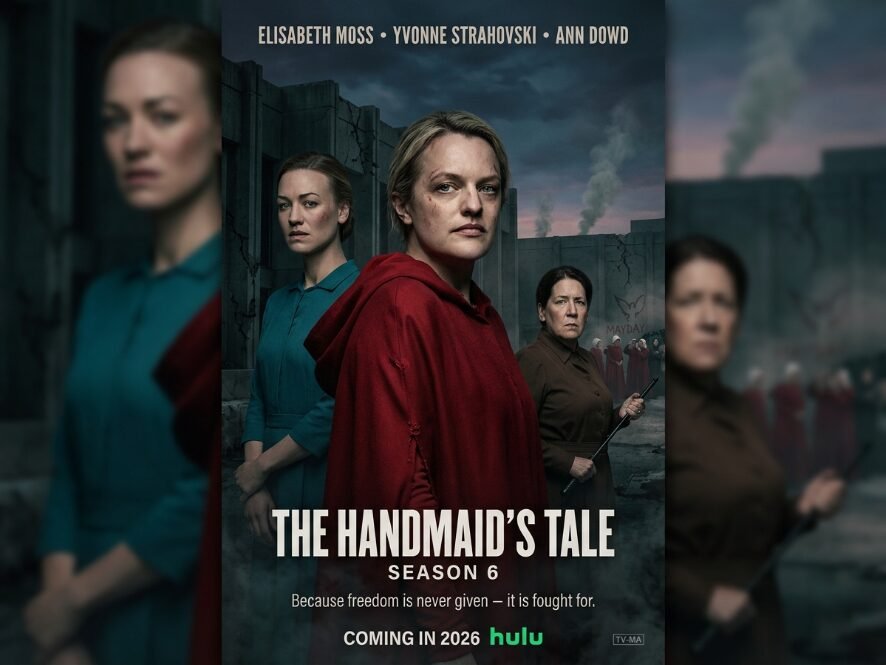
What makes June such a compelling character is that her fight has never been fueled by revenge alone. It is driven by love, memory, loss, and the painful belief that freedom must still mean something even after unimaginable suffering. Season 6 appears determined to push that resilience further than ever before.
Yvonne Strahovski continues bringing emotional complexity to Serena Joy, a character forever trapped between power and regret. Few relationships in modern television feel as emotionally layered as the one between June and Serena—built from trauma, resentment, survival, and moments of fragile understanding that never fully erase the damage between them.
Ann Dowd once again proves why Aunt Lydia remains one of television’s most unsettling yet fascinating figures. Her shifting loyalties feel increasingly difficult to predict, making every decision she makes feel emotionally loaded with tension, guilt, and the terrifying possibility of redemption—or deeper cruelty.
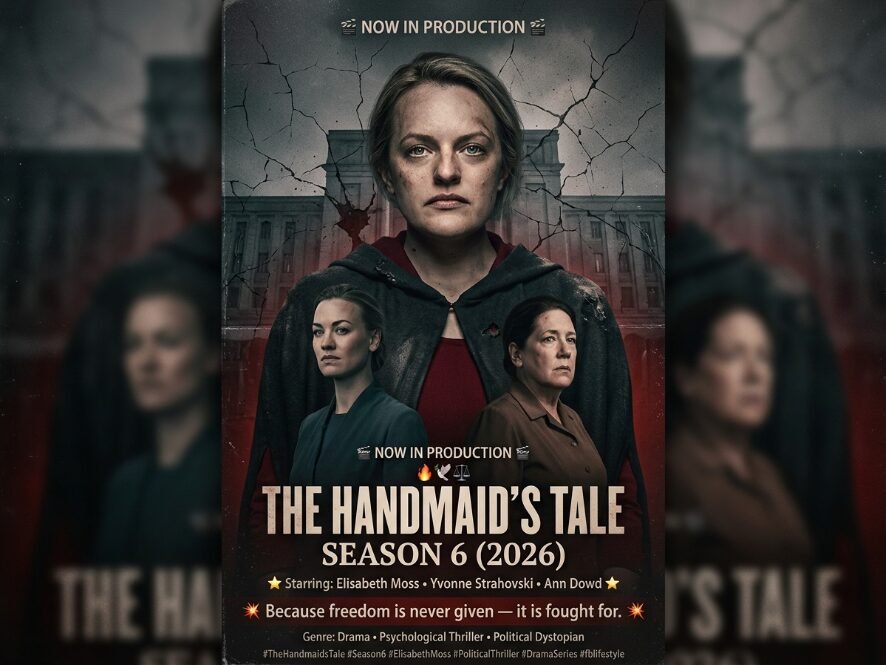
What makes THE HANDMAID’S TALE especially haunting is how little it relies on spectacle to feel terrifying. Fear lives in silence, in power structures, in the manipulation of truth, and in systems designed to make resistance feel impossible. Season 6 seems poised to explore not only rebellion against oppression, but the emotional cost of carrying hope when survival itself already feels exhausting.
Visually, the series continues embracing its chilling atmosphere. Stark colors, oppressive framing, long silences, and emotionally heavy cinematography create a world that feels claustrophobic even in open spaces. Every setting seems designed to remind viewers that freedom can disappear quietly, one compromise at a time.
Yet beneath all the political tension and psychological warfare lies something deeply human: the refusal to stop believing in change. Resistance here is not glamorous. It is painful, uncertain, and devastatingly costly. Every sacrifice leaves scars, every victory feels temporary, and trust becomes one of the rarest things left.
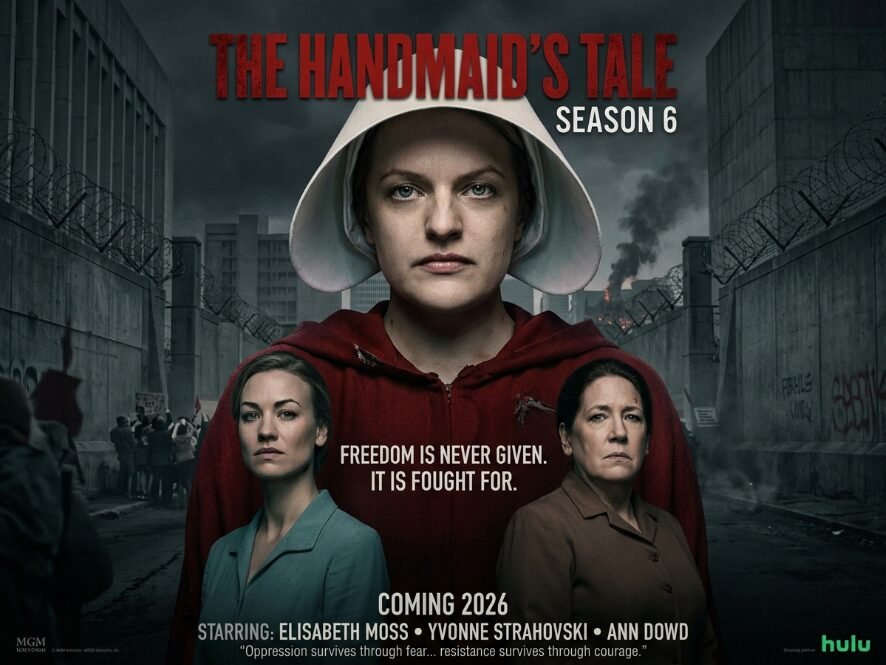
At its emotional core, Season 6 asks a question that feels painfully relevant: what happens when fear stops working? What happens when people pushed to the edge finally decide survival alone is no longer enough?
Because if THE HANDMAID’S TALE — Season 6 understands one truth, it is this: oppressive systems survive through silence, but hope—fragile, dangerous, stubborn hope—has always been the first step toward freedom.
