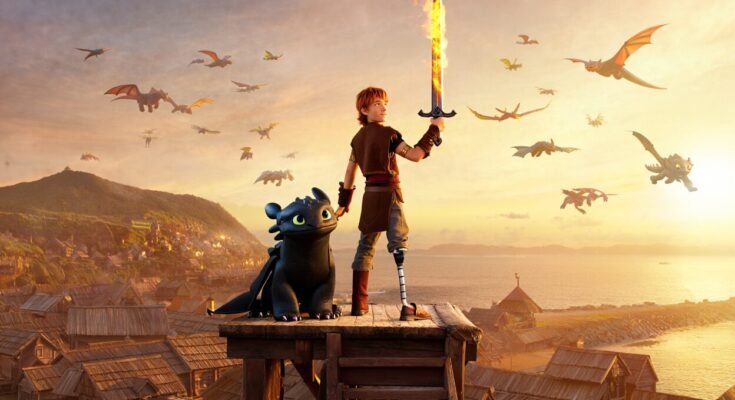
There was a time when dragons were feared as monsters. Then came Hiccup and Toothless, who taught an entire world that understanding is stronger than fear. But HOW TO TRAIN YOUR DRAGON 2 reminds us of a painful truth: peace is fragile, and even the strongest friendships can be tested when war begins circling the skies.
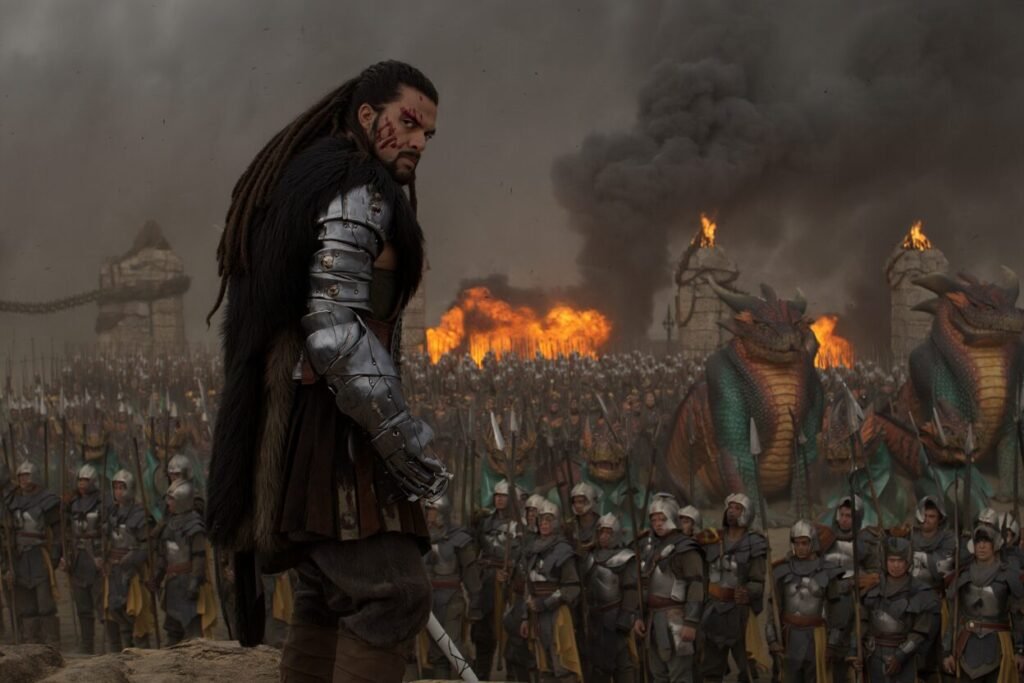
From its very first moments, the film feels larger, older, and more emotionally mature than before. Berk is no longer simply a Viking village learning to coexist with dragons — it has become a symbol of hope in a world still divided by ancient hatred and mistrust. That fragile hope becomes the emotional foundation of the entire story.
Hiccup has grown into a leader, though not without uncertainty. He still carries the curiosity and compassion that made him different from other Vikings, but leadership now weighs heavily on him. The movie beautifully explores his fear of failing the people and dragons who believe in him. He is no longer merely discovering the world — he is responsible for protecting it.
And then there’s Toothless, whose bond with Hiccup remains one of the most emotionally powerful relationships in modern animated cinema. Their connection goes beyond friendship; it feels instinctive, almost spiritual. Every glance, every flight, every moment of trust between them reminds audiences why this franchise resonates so deeply.
Visually, the movie is absolutely breathtaking. Vast oceans shimmer beneath golden sunsets while massive dragon tribes soar across endless skies like living storms. Flight sequences feel exhilarating and emotional at the same time, capturing the freedom and wonder that define the series. Few animated films understand scale and beauty the way How to Train Your Dragon does.
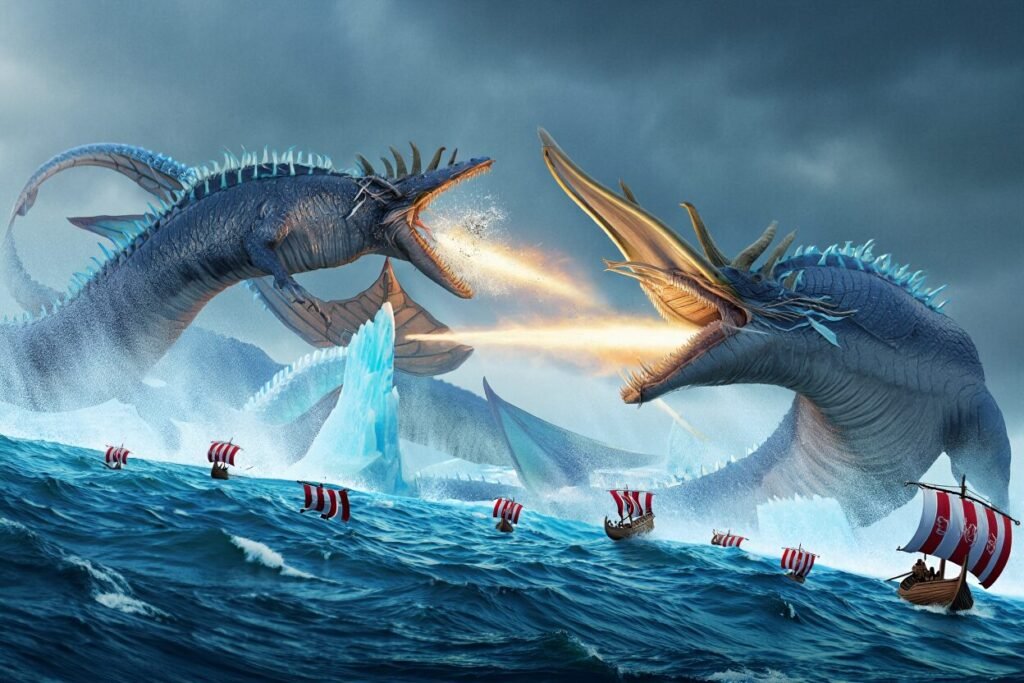
The introduction of unknown dragon tribes dramatically expands the world. Suddenly, Berk’s understanding of dragons feels small compared to the mysteries waiting beyond the horizon. Some tribes seek harmony. Others seek domination. The film smartly avoids simple good-versus-evil storytelling, instead exploring how fear and misunderstanding create conflict between worlds.
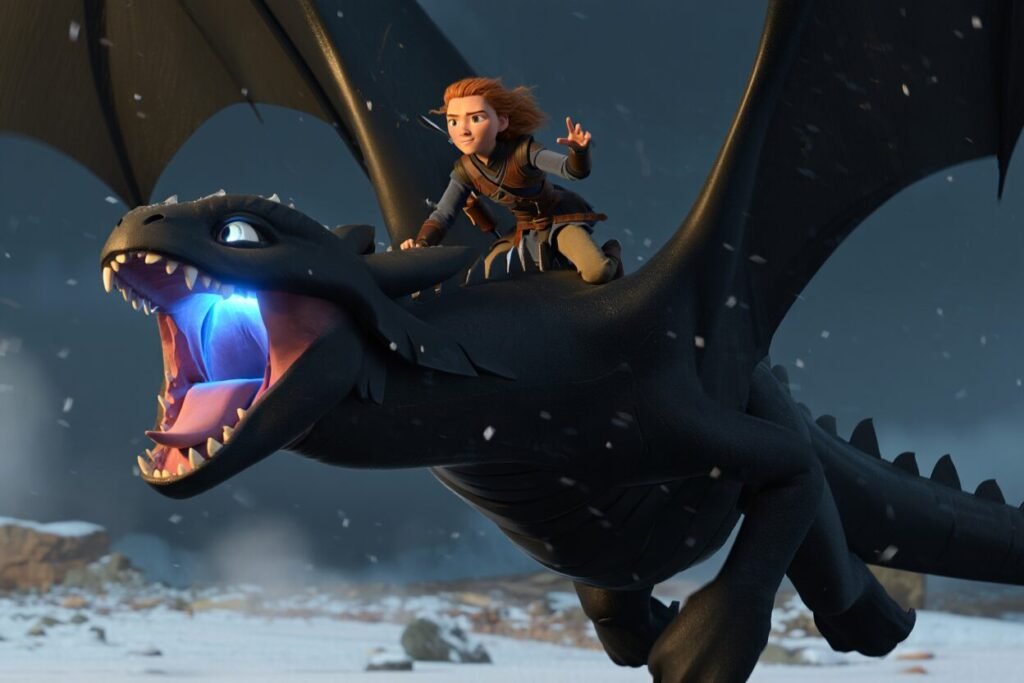
The action sequences are spectacular, but always emotionally grounded. Dragon battles erupt through clouds with explosive intensity while riders clash in desperate aerial combat. Yet beneath every confrontation lies sadness — because these are not wars fought for glory, but for survival and identity.
What makes the film especially powerful is its exploration of change. Hiccup begins realizing that growing older means confronting responsibilities that cannot be solved with optimism alone. The world is becoming larger, more dangerous, and morally complicated. The innocence of earlier adventures slowly gives way to sacrifice and painful choices.
The supporting characters continue bringing warmth and humor that balance the heavier emotional themes. Berk still feels alive with personality, friendship, and chaotic energy. Those lighter moments become even more meaningful because they remind audiences what the characters are fighting to preserve.
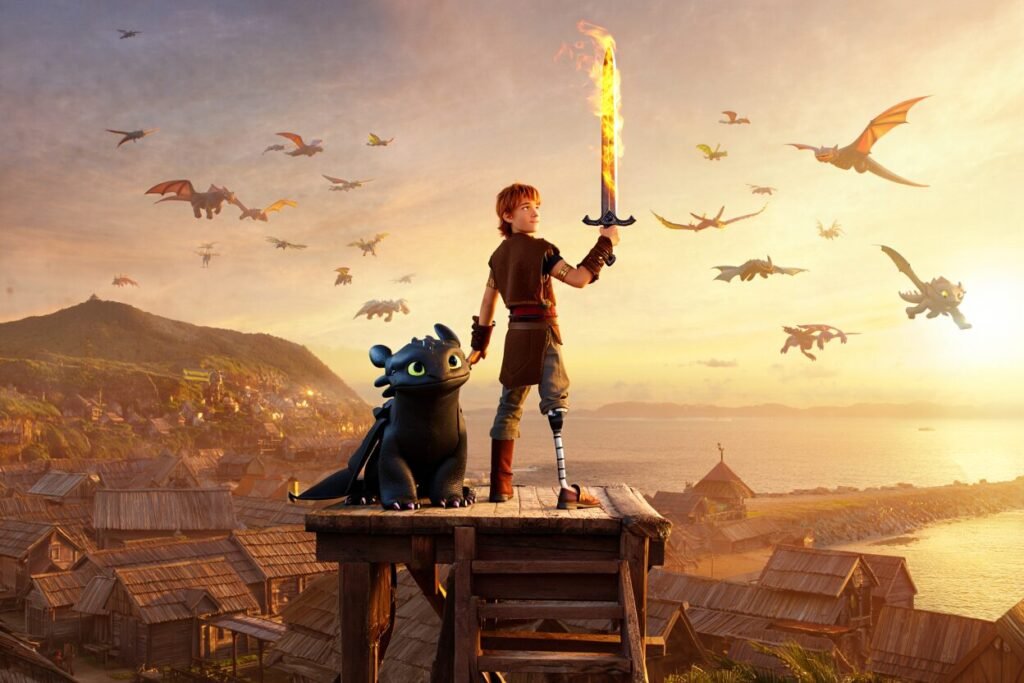
Musically and emotionally, the film soars. The score carries both wonder and heartbreak, elevating every flight and every emotional revelation into something unforgettable. Quiet moments between Hiccup and Toothless often feel just as epic as the largest battles because the emotional connection feels completely genuine.
By the final act, HOW TO TRAIN YOUR DRAGON 2 transforms into an emotional fantasy epic about loyalty, leadership, and the painful cost of protecting peace. Dragons fill the skies like armies of myth while Berk stands on the edge of destruction. Yet even in the middle of chaos, the story never loses sight of its heart: friendship built on trust stronger than fear itself.
Because the greatest legends are not written by warriors alone…
They are written by the bonds brave enough to survive the storm.
