There are love stories that feel beautiful… and then there are those that feel inevitable, as if fate itself has already written their ending long before the first glance. Perfect Crown belongs to the latter—a sweeping, emotionally layered romance that unfolds like a whispered secret behind palace walls, where every heartbeat carries both hope and consequence.
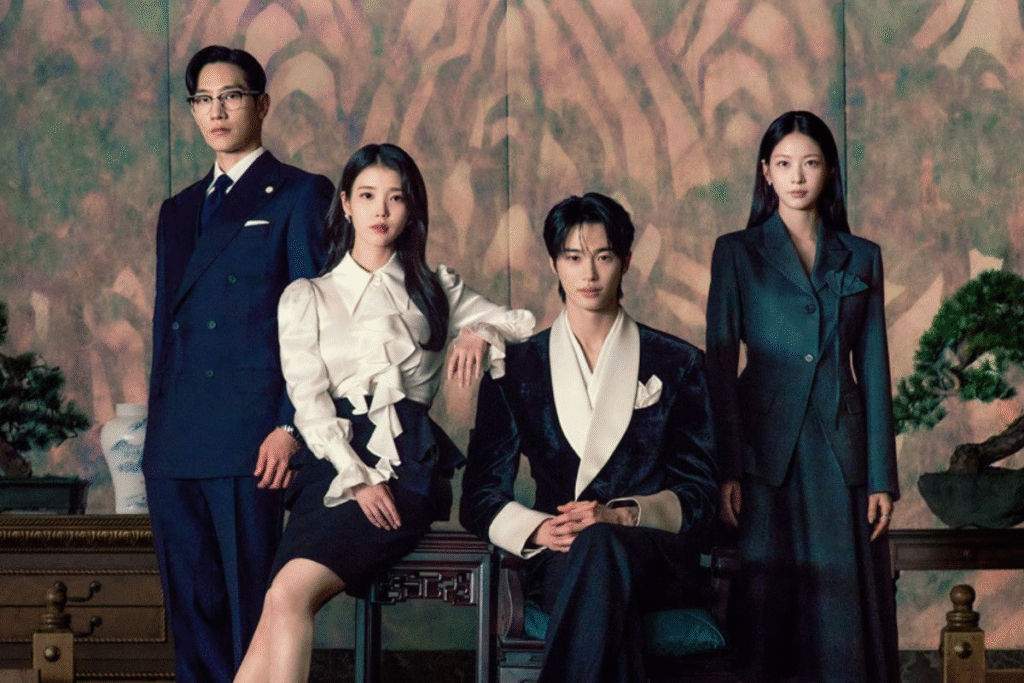
From its very first frame, the film immerses us in a world of quiet grandeur. Velvet corridors, golden chandeliers, and the subtle tension of courtly silence create an atmosphere that is as intoxicating as it is suffocating. This is not merely a setting—it is a living force, one that shapes every decision, every hesitation, every forbidden feeling that dares to bloom.
At the center of it all are IU and Byeon Woo-seok, whose chemistry is nothing short of magnetic. IU delivers a performance that is both delicate and resolute, portraying a woman torn between who she is expected to be and who she longs to become. Her eyes speak volumes—every glance a confession she cannot voice, every smile a fragile mask hiding storms beneath.
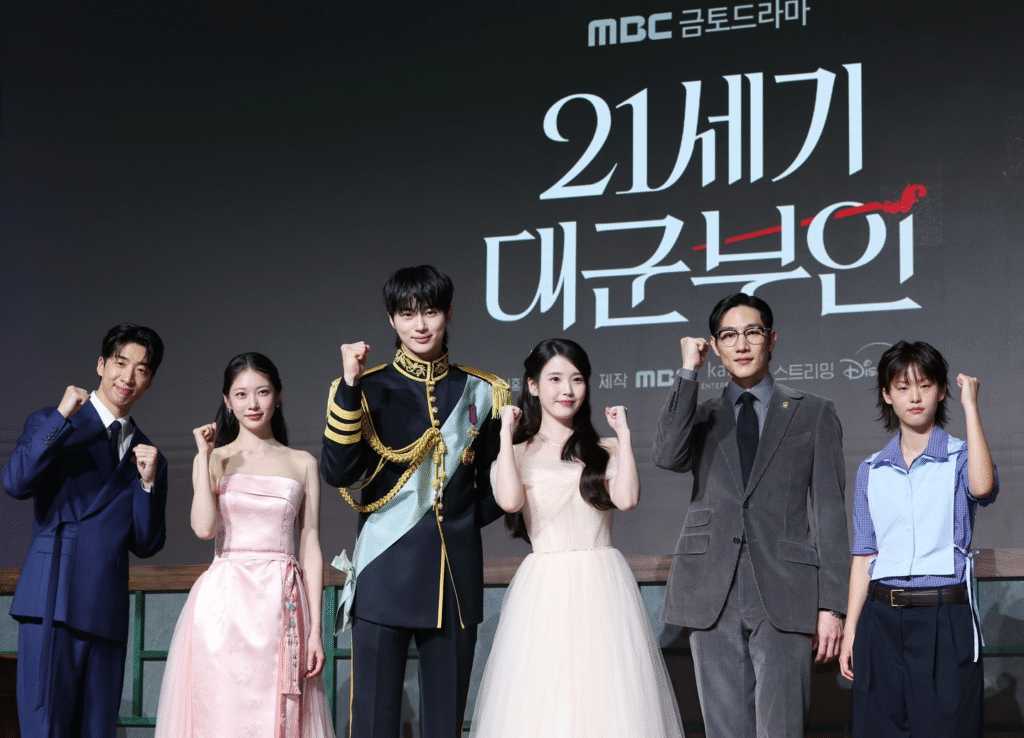
Opposite her, Byeon Woo-seok brings a quiet intensity that anchors the film’s emotional core. His character is not loud, not overtly rebellious, but rather deeply human—someone who understands the weight of duty yet cannot deny the pull of something real, something dangerously honest. Together, they create a connection that feels less like acting and more like destiny unfolding in real time.
What makes Perfect Crown truly captivating is its restraint. This is not a love story driven by grand declarations or dramatic outbursts. Instead, it thrives in the spaces between words—the pauses, the lingering touches, the moments where silence says more than dialogue ever could. It trusts the audience to feel, to notice, to understand the quiet devastation of love that cannot fully exist.
The narrative explores the timeless conflict between personal desire and societal obligation, but it does so with a refreshing emotional depth. The crown, in this story, is not just a symbol of power—it is a burden, a cage adorned in gold. Every decision made by the characters carries the weight of generations, traditions, and expectations that refuse to bend.
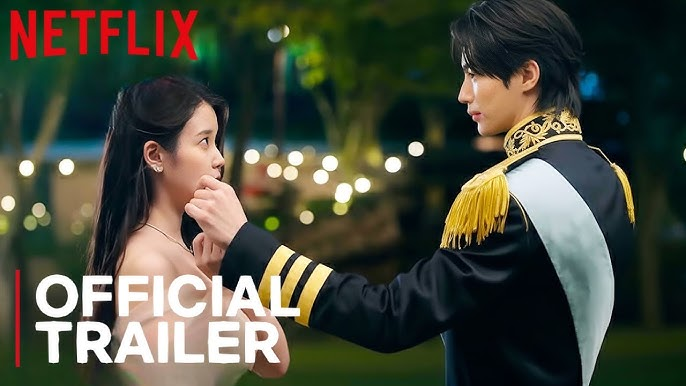
Visually, the film is breathtaking. Each scene is composed with meticulous care, blending soft lighting with regal aesthetics to create an almost dreamlike quality. The contrast between warm, intimate moments and the cold, imposing presence of the palace reinforces the central theme—love trying to survive in a world that was never built to accommodate it.
The pacing, while deliberate, never feels slow. Instead, it mirrors the emotional rhythm of the story itself—gentle, lingering, and occasionally overwhelming. It allows the audience to sit with each moment, to feel the tension build not through action, but through anticipation and emotional gravity.
What lingers long after the credits roll is not just the story, but the question it leaves behind. Is love enough when the world demands sacrifice? Can two people truly choose each other when everything around them insists otherwise? These are not questions with easy answers, and Perfect Crown wisely refuses to offer simple resolutions.
There is a quiet tragedy woven into the film, one that does not rely on dramatic twists but on the inevitability of circumstance. It understands that sometimes, the most heartbreaking stories are not about losing love—but about realizing that love may never have had a place to exist in the first place.
In the end, Perfect Crown is more than a romance—it is a meditation on choice, identity, and the invisible chains that bind us. It asks its audience not just to watch, but to reflect. And perhaps, in doing so, it leaves each viewer with the same haunting dilemma: would you follow your heart… or protect your crown?
