Avatar 3: Fire and Ash is not just a continuation of the visually spectacular world of Pandora — it is a blazing, heart-rending exploration of grief, survival, and the fire of hope that burns even in the darkest moments. James Cameron’s latest epic thrusts us back into the heart of this alien world, where the skies bleed red and ash-choked winds whip through once-vibrant forests. The threat is no longer just the human invaders, but the primal forces that exist within the very soul of Pandora itself.

Jake Sully (Sam Worthington), with a voice like weathered thunder, and Neytiri (Zoe Saldaña), grace forged in grief, are pushed to the limits of their strength and resolve as they navigate the loss of their son, Neteyam. His death reverberates through their family, drawing them into the volcanic heartlands of Pandora. Here, they encounter the Ash People — the fierce Mangkwan Na’vi, led by the volcanic menace Varang (Oona Chaplin). The Mangkwan Na’vi wield fire not only as a weapon but as a creed, embodying destruction and renewal in equal measure. This new threat represents not just a physical challenge but a moral one as alliances are tested and broken, and the true cost of survival is revealed.
Kiri (Sigourney Weaver) embarks on her own internal journey, grappling with the mysteries of her connection to Eywa. Her struggle is more than personal—it is the spiritual battle of an entire people to understand their place in a world that is changing irrevocably. Meanwhile, Lo’ak (Britain Dalton), filled with the rage of youth and the pain of loss, channels his fury into rebellion. The volcanic fury around them mirrors their inner turmoil, as the Sully family faces the ultimate test of their strength and unity. Kate Winslet’s Ronal, a character grounded in the powerful resolve of the sea, anchors the film’s emotional core, embodying a quiet strength that contrasts sharply with the fiery devastation of the land.
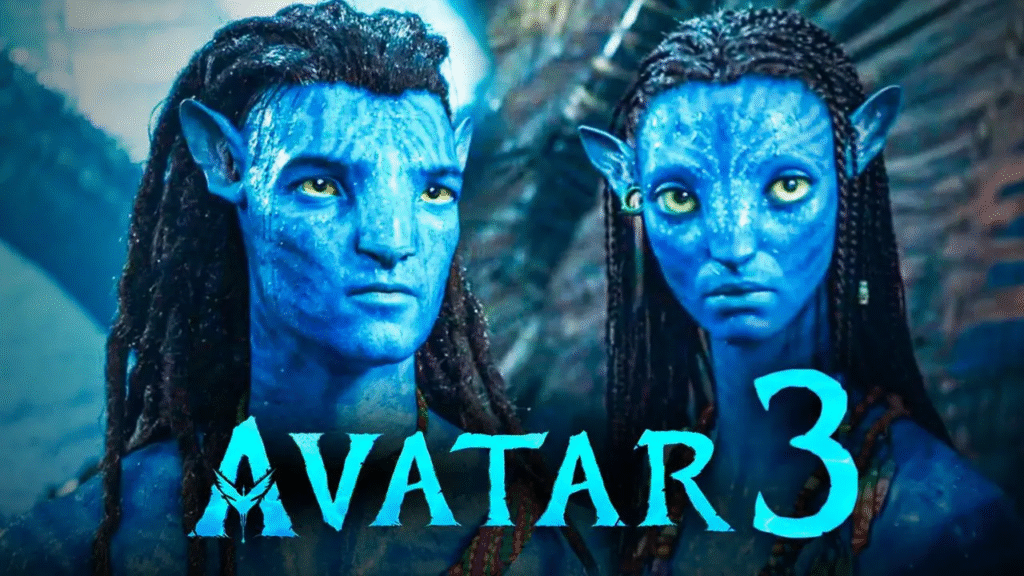
James Cameron’s masterful direction in Fire and Ash brings the world of Pandora to new, darker depths. The action sequences — from tsunami sieges to dragon duels in zero-G storms — are primal and thrilling, but it is the quieter moments, the emotional beats, that make the film truly unforgettable. Bioluminescent embers dance in lava rivers, casting an eerie glow on the Na’vi banshees silhouetted against erupting spires. These images, born of the earth’s fury, reflect the internal fires of the characters, burning with a love that is fragile, yet unyielding in its power.
The moral complexities of this new chapter in the Avatar saga are staggering. “Not all Na’vi are good,” as the film boldly proclaims, making it clear that the lines between right and wrong are never black and white. This exploration of morality and survival adds layers of complexity to the world Cameron has so carefully constructed, pushing the boundaries of what we expect from a blockbuster. The Ash People, led by Varang, represent not just an external threat, but a mirror to the Na’vi’s own internal struggles. Are they justified in their rage, or are they doomed to repeat the cycle of violence they once fought against?
As the world turns to ash, the heart of Fire and Ash is the fragile light of hope. The film underscores that even in the midst of betrayal, love remains a guiding force — a fragile light that can still ignite the future. This theme reverberates through every action, every decision made by the Sully family. In a world constantly on the brink of destruction, it is this hope that drives them to keep fighting, to keep surviving, and to find a way forward.
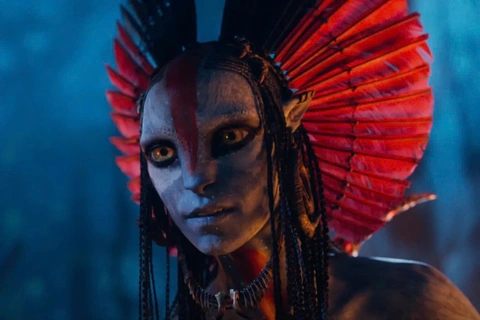
With a runtime that exceeds even Way of Water, Avatar 3: Fire and Ash offers an IMAX experience that will engulf the senses. The visual effects are nothing short of breathtaking, capturing the elemental fury of Pandora as never before. The film’s cinematography is as stunning as it is terrifying — vast landscapes are obliterated by volcanic eruptions, while intimate moments of grief and connection are highlighted with a softness that contrasts against the roaring chaos. This balance between the grandeur of the world and the intimacy of the characters’ struggles is what makes the film so powerful.
The emotional resonance of Fire and Ash is heightened by the performances of the cast, each actor bringing a depth and authenticity to their roles that make the stakes feel all the more real. Worthington and Saldaña continue to embody the heart of the story, while Weaver, Dalton, and Winslet add their own layers of emotion, each bringing their character’s journey to life with nuance and conviction.
As the final act unfolds, the fire of hope burns brighter than ever, even as everything around it turns to ash. Avatar 3: Fire and Ash is a story of survival, of love, and of the sacrifices required to protect what is worth saving. It is a saga that demands not just physical strength, but emotional fortitude — a journey that will leave you breathless, and ultimately, hopeful for what comes next.
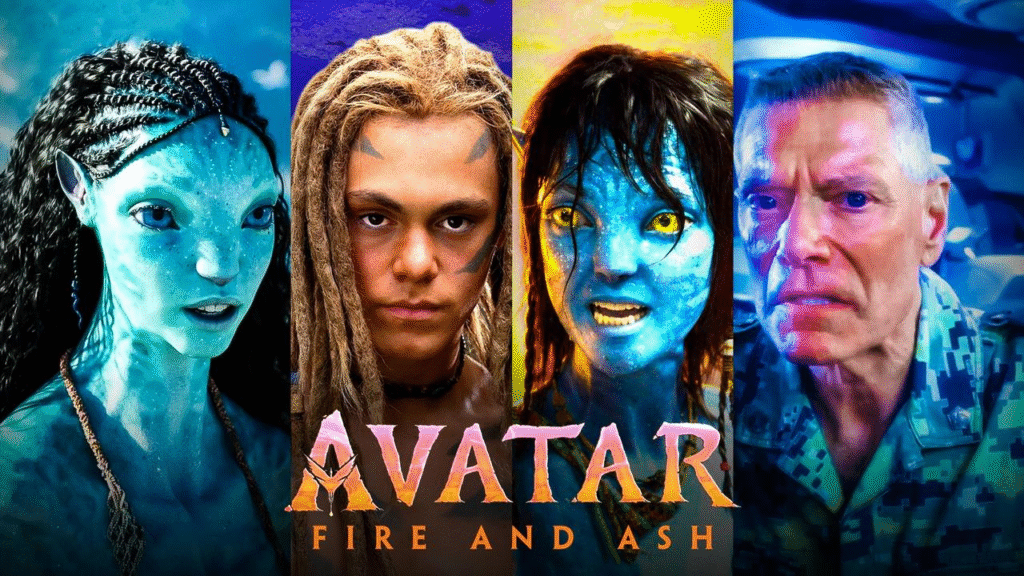
Verdict: 9.9/10 – A visually stunning, emotionally charged continuation of the Avatar saga. Fire and Ash raises the stakes, exploring the power of hope, love, and survival in a world on the brink of destruction.
