There are sequels that simply continue a story—and then there are sequels that drag you back into the fight whether you’re ready or not. Bloodhounds 2 is firmly the latter, a bruising, emotionally charged return to a world where fists speak louder than words, but loyalty whispers the truths that hurt the most.
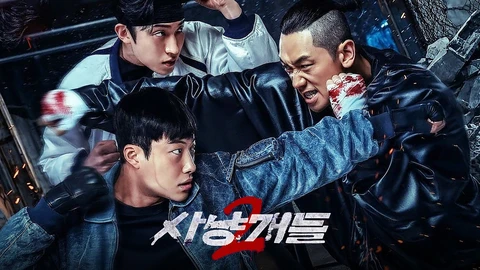
From its opening moments, the series wastes no time reminding us that escaping violence doesn’t mean you’ve outrun it. Gun Woo and Woo Jin, once survivors of a ruthless loan shark empire, now find themselves pulled back into a darker underworld—one that feels colder, more calculated, and infinitely more dangerous. The illusion of peace is shattered, replaced by a suffocating tension that lingers in every scene.
What makes this sequel compelling isn’t just the escalation of stakes, but the evolution of its characters. Gun Woo is no longer just the determined fighter we once knew—he carries the weight of past battles in every decision, every hesitation. Woo Jin, equally scarred, becomes the emotional anchor of the story, his quiet resilience clashing beautifully with the chaos around him.
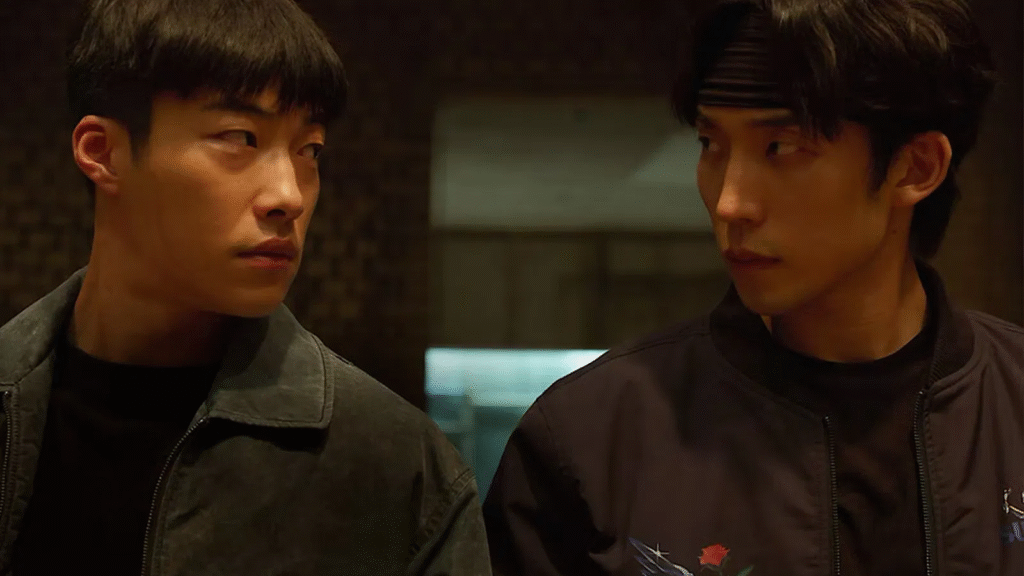
The chemistry between the two remains the heart of the series. Their bond transcends friendship; it is forged in survival, tested by betrayal, and defined by sacrifice. Every glance, every shared silence, carries the unspoken understanding that they may not make it out together this time.
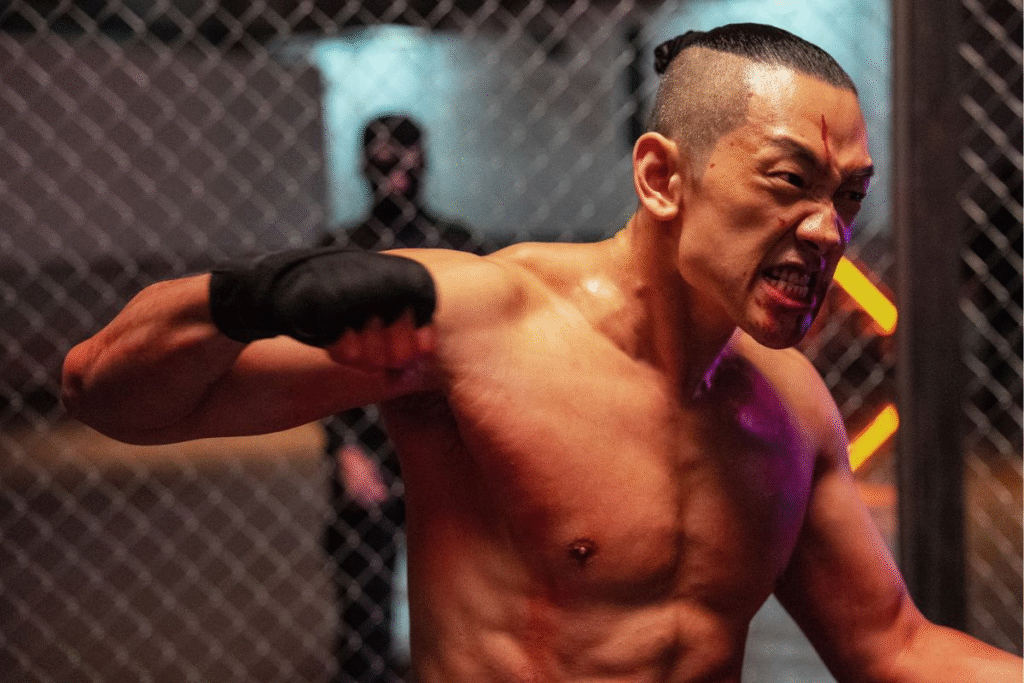
Then comes the storm—Rain’s return. His presence is not just powerful; it is magnetic and deeply unsettling. He operates in the shadows, pulling strings with a calm intensity that makes him more dangerous than any brute force. His unpredictability injects the narrative with a constant sense of dread, as you’re never quite sure where—or when—he will strike.
The action sequences are, as expected, visceral and relentless. But Bloodhounds 2 doesn’t rely solely on choreography to impress. Each fight feels purposeful, raw, and emotionally driven. Every punch lands not just on the body, but on the psyche, reminding us that violence here always comes at a cost.
What elevates the story further is its exploration of trust. In a world where alliances shift like sand, loyalty becomes both a weapon and a weakness. The line between friend and enemy blurs with unsettling ease, forcing characters—and viewers—to constantly question who can truly be relied upon.
Visually, the series embraces a darker, more oppressive tone. The underground world feels alive, breathing with danger in dimly lit corridors, rain-soaked streets, and suffocating backroom deals. It’s a setting that mirrors the internal struggles of the characters—trapped, tense, and on the edge of collapse.
Emotionally, Bloodhounds 2 hits harder than its predecessor. Beneath the surface of action lies a story about brotherhood, loss, and the unbearable weight of protecting someone you love. It asks difficult questions without offering easy answers, forcing us to confront what loyalty truly demands.
As the narrative builds toward its climax, the tension becomes almost unbearable. Every decision feels like it could be the last, every confrontation carries irreversible consequences. And when the fight finally turns personal, it doesn’t just escalate—it devastates.
In the end, Bloodhounds 2 isn’t just about survival in a brutal world. It’s about what remains when survival is no longer enough. It’s about how far someone is willing to go, how much they are willing to sacrifice, and whether loyalty can endure when everything else falls apart. 🥊
Watch movie:

*Content is hosted on a partner site.