Speed has never been new to Cristiano Ronaldo. It sculpted his legend on the pitch, defined his rise at Manchester United, dazzled at Real Madrid, and reached global superstardom with Portugal national football team. But Hollywood is a different arena—and now, speed may define his arrival there.
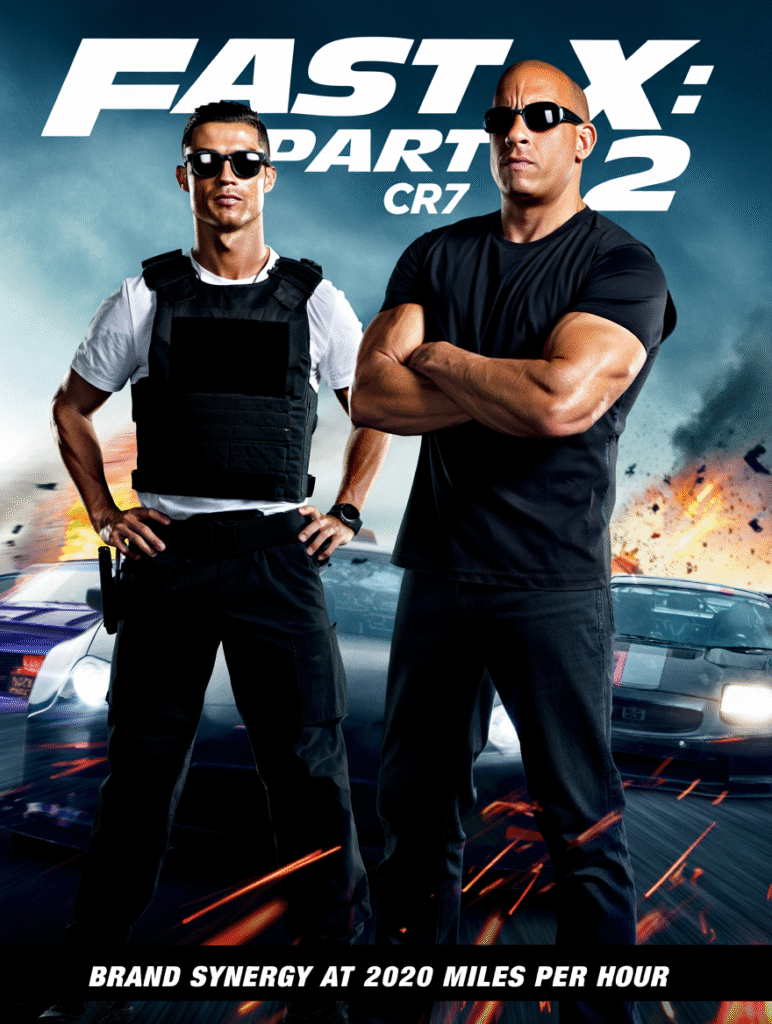
When Vin Diesel confirmed he had crafted a special role for Cristiano Ronaldo in Fast X: Part 2, the internet didn’t just react—it ignited. Fans immediately imagined CR7 stepping into a universe built on horsepower and bravado, where engines scream as loudly as egos.
But this isn’t random casting. Diesel reportedly saw something cinematic in Ronaldo—something beyond athleticism. There’s an intensity in Ronaldo’s presence, a controlled aggression, that translates naturally to the screen. He doesn’t need dialogue to command a frame; posture alone tells a story.
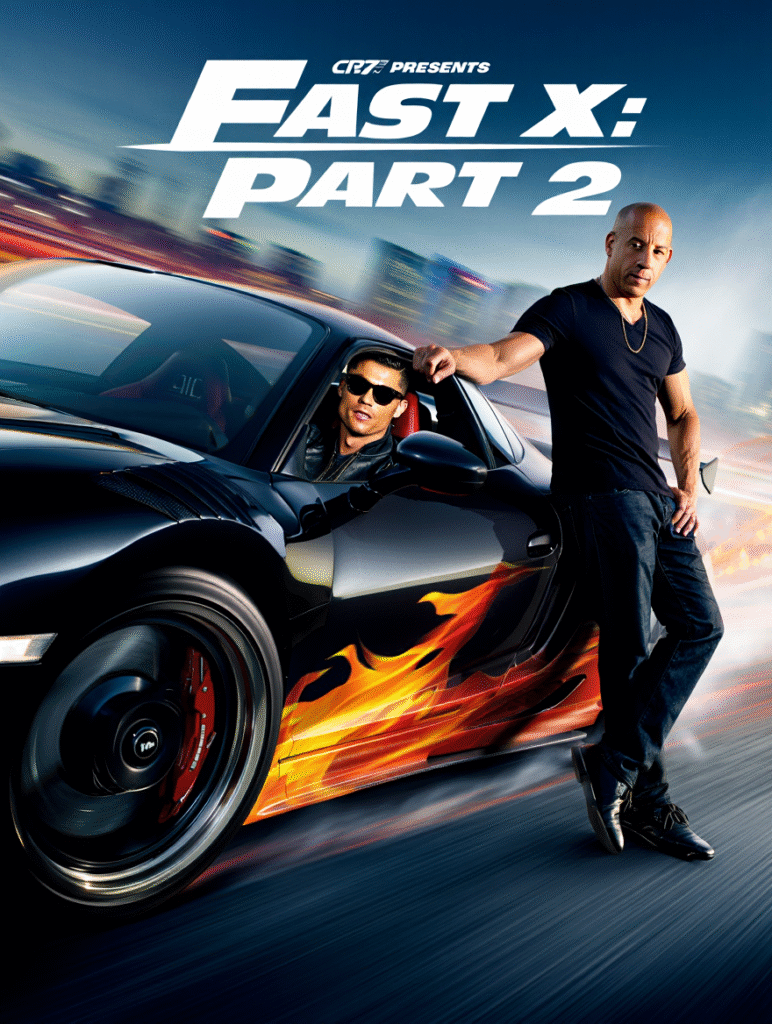
The Fast franchise has always thrived on larger-than-life personas. From street racers to global operatives, its characters feel unstoppable by design. Ronaldo’s public image mirrors that DNA perfectly: relentless discipline, relentless ambition, relentless belief in self-mastery.
Imagine him in a high-speed pursuit through neon-lit skylines, calm behind the wheel while chaos unfolds around him. Or stepping into an elite tactical sequence where precision matters more than noise. His athletic control could reshape how action choreography feels—less frantic, more deliberate.
What makes this move fascinating is the symmetry. Ronaldo built a career on timing, acceleration, and explosive bursts of dominance. The Fast saga, born from The Fast and the Furious, has spent over two decades mythologizing speed as identity. The crossover feels almost inevitable.
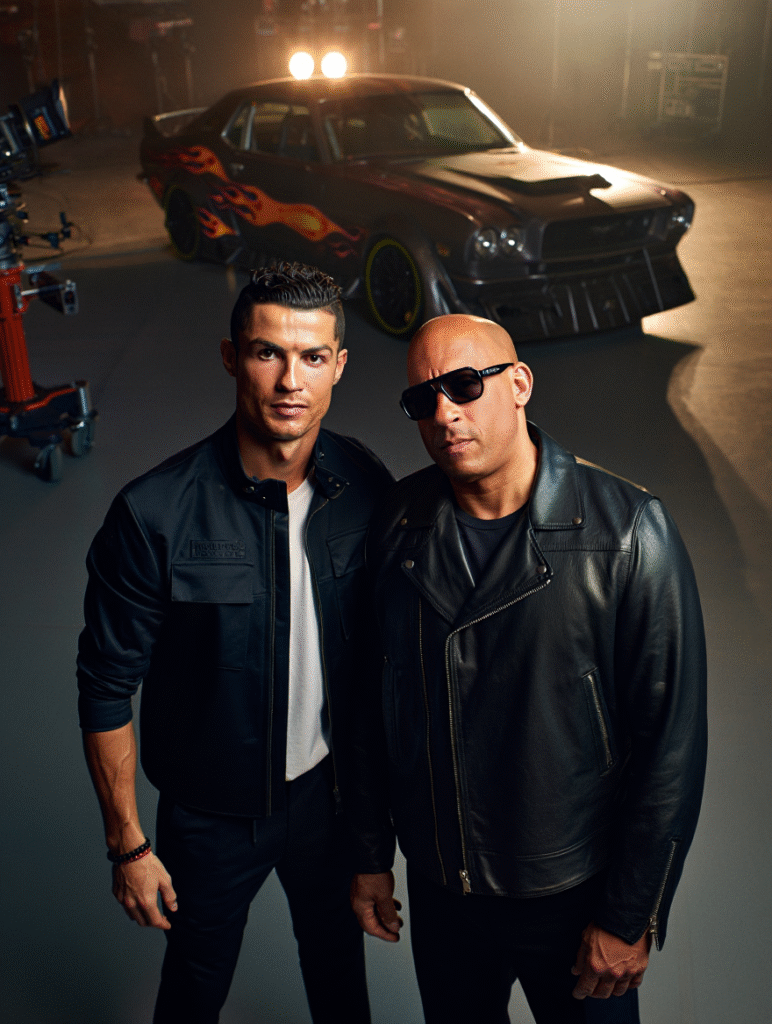
And then there’s the global factor. Ronaldo isn’t just an athlete—he’s a worldwide brand, with cultural reach few actors can match. His entry doesn’t just add star power; it expands audience gravity. It turns a blockbuster into a planetary event.
Skeptics will call it stunt casting. But stunt casting fades fast. Synergy lasts. Ronaldo’s discipline, honed through years of elite competition, aligns with the franchise’s obsession with pushing limits. This is less about novelty and more about amplification.
There’s also symbolism here. The transition from pitch to pavement reflects evolution. Athletes reinvent. Franchises reinvent. The Fast series has grown from street-level racing to globe-spanning spectacle. Ronaldo’s move feels like a continuation of that escalation.
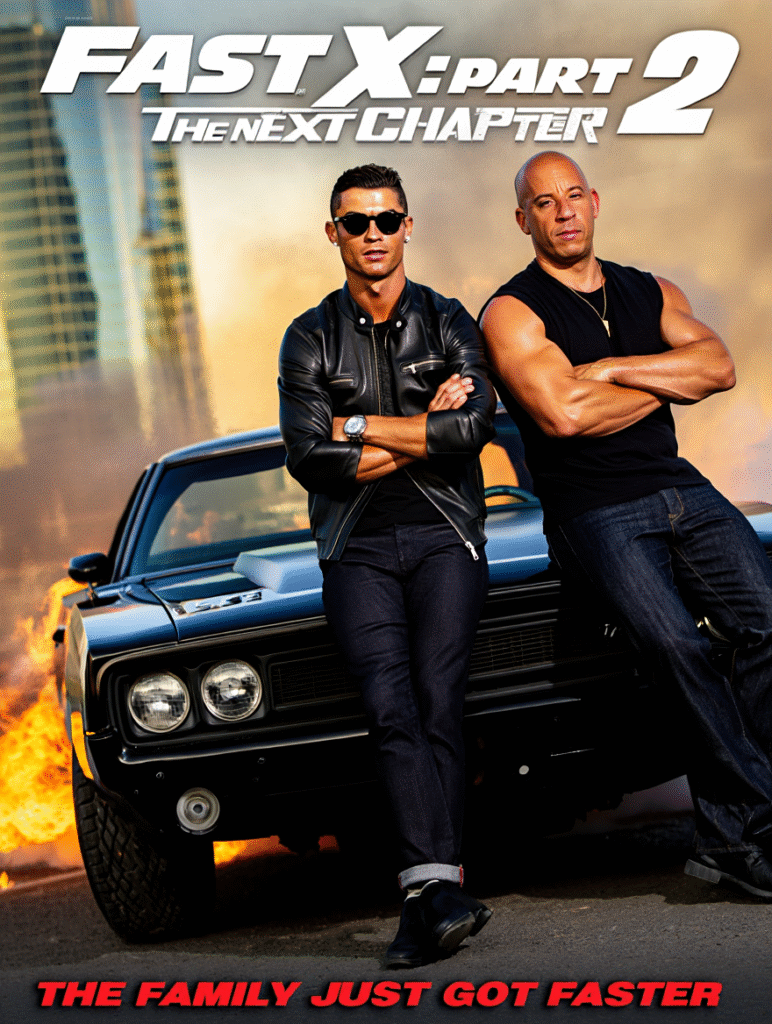
If handled right, he won’t just appear—he’ll accelerate the narrative. A silent rival. A tactical wildcard. A presence that shifts the energy of every scene he enters.
Speed built Cristiano Ronaldo. Now it may redefine him. And as Hollywood merges horsepower with superstardom, one thing is certain: the Fast universe just found its newest accelerator—at 200 miles per hour. 🚗🔥
Watch movie:

*Content is hosted on a partner site.