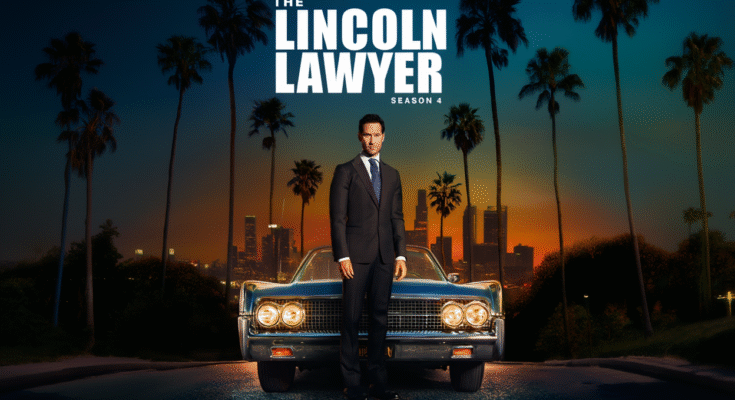
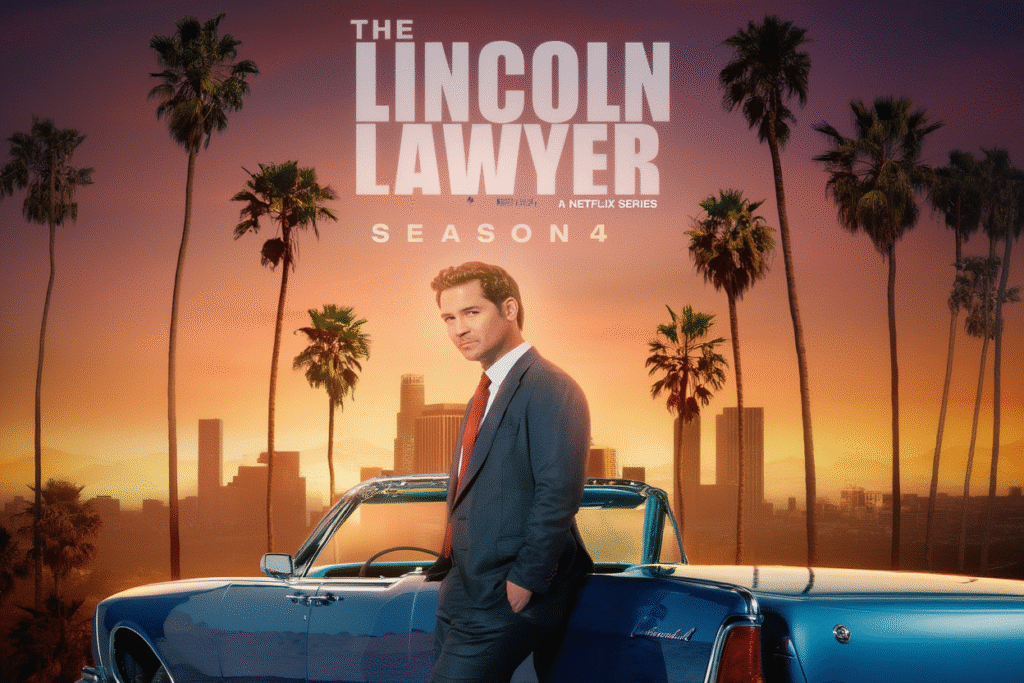
The Lincoln Lawyer returns in Season 4, and it does so with the kind of precision and tension that has made Mickey Haller one of television’s most compelling legal antiheroes. Set against the sun-scorched streets of Los Angeles, this season doesn’t just tell courtroom stories—it makes the city itself feel like a living, breathing character, fraught with danger, temptation, and moral ambiguity.
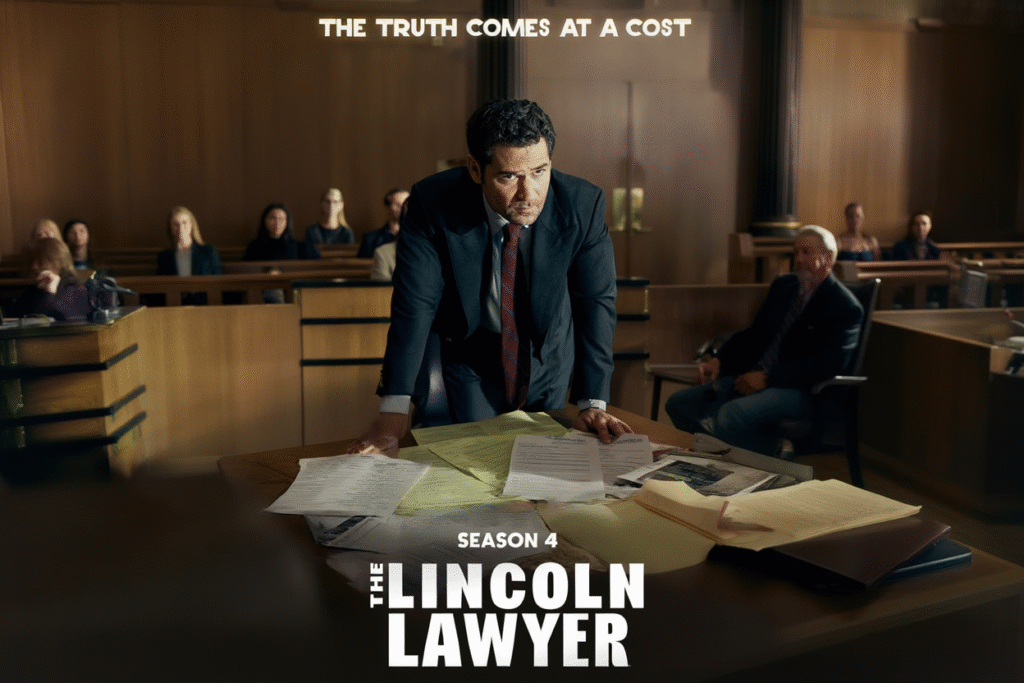
Manuel Garcia-Rulfo’s Haller is as magnetic as ever, embodying the delicate balance of charm, intellect, and relentless drive. He is a man who knows the law, yet understands its limits, maneuvering between legality and survival with the ease of a driver navigating L.A.’s endless traffic.
Season 4 dives deeper into the psychology of its cases. Each client isn’t just a puzzle; they are windows into the darker corners of society. Secrets explode, alliances crumble, and the cost of truth becomes frighteningly tangible. The show doesn’t shy away from moral complexity, forcing both Haller and the audience to confront uncomfortable realities about justice.
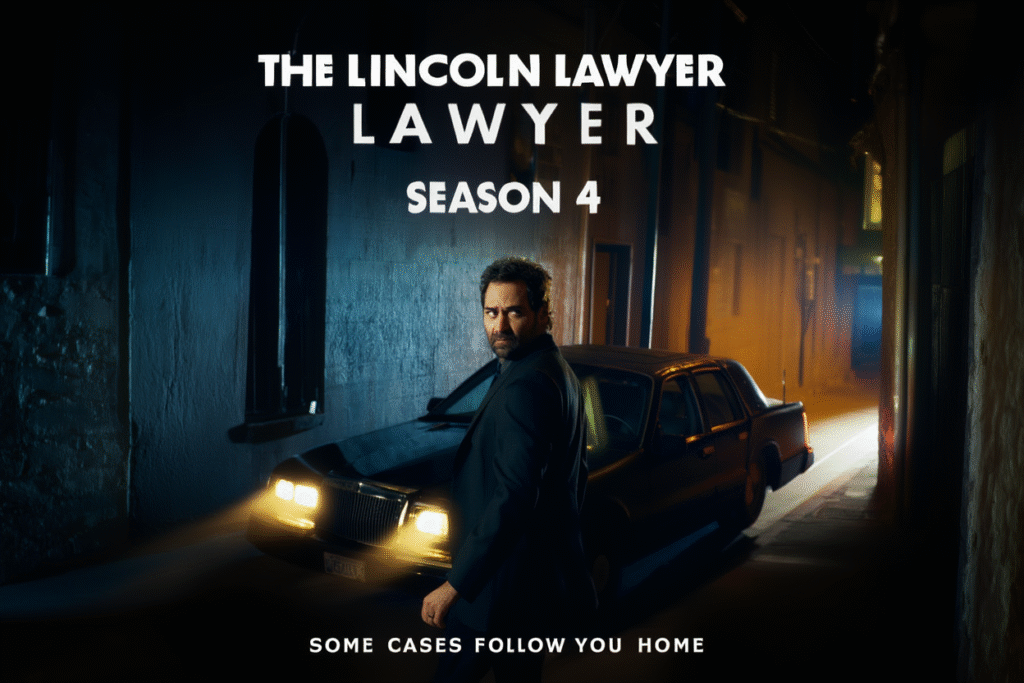
The narrative pace is razor-sharp, never allowing the tension to slacken. From court corridors that feel like pressure cookers to dimly lit alleyways where danger lurks in every shadow, the show maintains a taut suspense that keeps viewers on edge, episode after episode.
Supporting performances, particularly Becki Newton and Angus Sampson, provide a grounding counterbalance to Haller’s high-octane presence. Their characters are not merely foils—they are integral to exploring themes of loyalty, betrayal, and the human cost of legal maneuvering.
What makes Season 4 particularly compelling is its willingness to blur ethical lines. Haller negotiates justice in ways that make you question the very definition of right and wrong. Winning a case may mean losing a part of your soul, and this season emphasizes that every legal victory carries a hidden, often devastating, price.
Visually, the series continues to impress. Cinematographer choices highlight the contrast between the sunlit glamour of L.A. and the shadowed realities of its underbelly. The cityscape becomes more than a backdrop—it is a reflection of the law’s complexity, the gray spaces between innocence and guilt, and the tension that drives the narrative.
Season 4 also shines in its dialogue. Sharp, witty, and often laced with an edge of cynicism, the script ensures that every courtroom showdown feels like a chess match, where the stakes are not just money or freedom, but survival and truth itself.
The show’s thematic depth is undeniable. It examines corruption, power, and the fragility of human integrity, all while maintaining the momentum of a thriller. The Lincoln Lawyer reminds us that in Los Angeles, justice is not a given—it is negotiated, bartered, and sometimes stolen, often in places as unglamorous as parking lots.
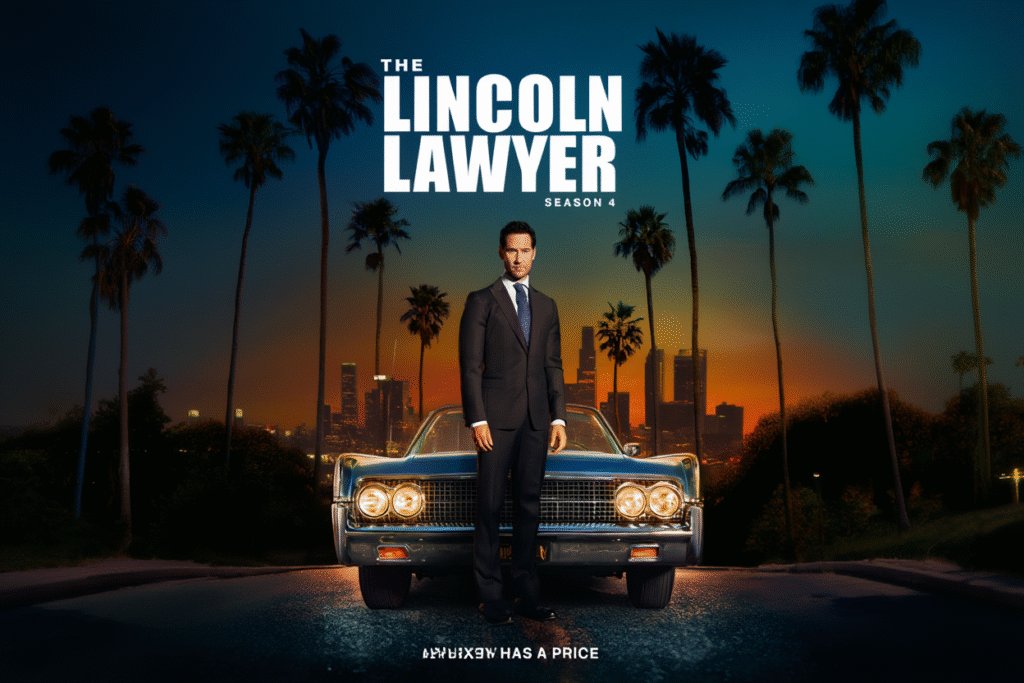
As the season unfolds, old enemies resurface and new challenges threaten to derail Haller at every turn. The narrative complexity ensures that viewers remain invested, not just in the outcomes of the cases, but in the evolution of Haller as a man constantly tested by the law, the city, and his own conscience.
In conclusion, The Lincoln Lawyer Season 4 is a masterclass in crime drama storytelling. It is sharp, suspenseful, and emotionally resonant. It challenges the audience to consider what justice truly means when the rules are flexible, and the cost of truth is always higher than it seems. This is television that grips you by the steering wheel and refuses to let go.
Watch movie:

*Content is hosted on a partner site.