Some films do not simply tell a story—they carve their legacy into the fabric of cinema. The Woman King (2022) is one such triumph, and with its re-release, audiences are once again invited to experience a saga that marries ferocious action with profound historical resonance. Under Gina Prince-Bythewood’s masterful direction, the film emerges not only as an entertainment spectacle but as an emotional and cultural landmark.
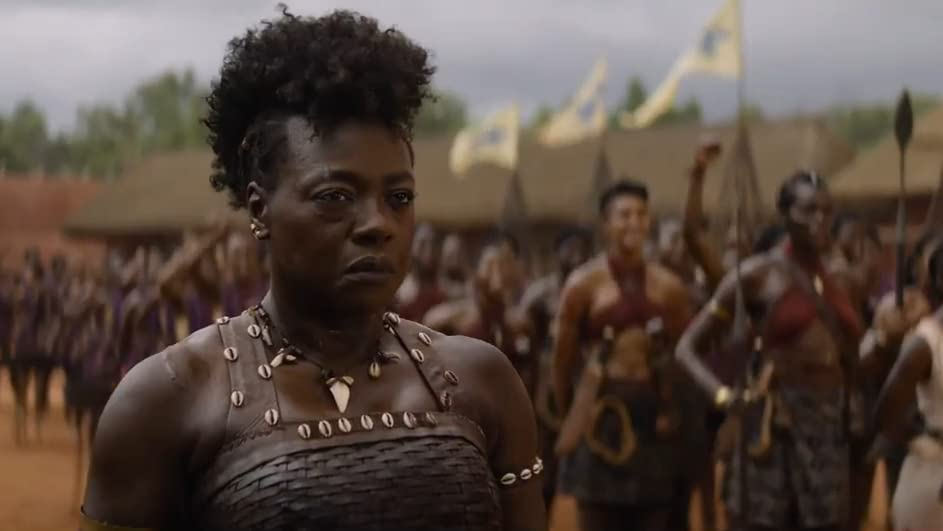
Set in 1823, the narrative follows General Nanisca, embodied with unmatched gravitas by Viola Davis, as she leads the Agojie warriors of Dahomey against encroaching slavers and hostile tribes. At once mythic and deeply personal, the story pulses with urgency: the fight for freedom, the forging of legacy, and the unbreakable bonds of sisterhood. Each battle Nanisca wages, whether against enemies or her own haunted past, builds a portrait of a leader forged in both pain and power.
Davis commands every frame with breathtaking intensity. Her Nanisca is as much a force of nature as the weapons she wields, and her leadership radiates not just authority but vulnerability, allowing audiences to glimpse the weight carried by those who lead. Her performance anchors the film, elevating every clash of spear and shield into something visceral, symbolic, and unforgettable.
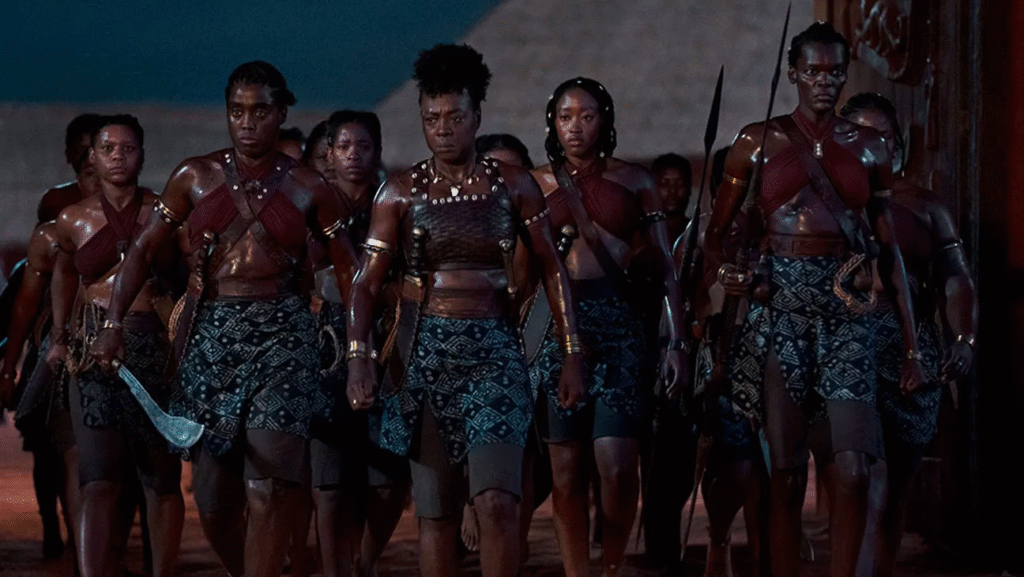
Thuso Mbedu, as the fiery young recruit Nawi, brings the film its emotional throughline. Her arc from naïve defiance to warrior determination mirrors the spirit of an entire generation shaped under Nanisca’s guidance. Mbedu’s raw, heartfelt performance makes her more than a student—she becomes the embodiment of hope, of a legacy passed forward through sacrifice.
Lashana Lynch shines with fierce charisma, delivering humor, grit, and unflinching loyalty in equal measure. Sheila Atim provides a soulful gravitas, grounding the narrative with wisdom and emotional clarity. Together, the Agojie warriors become more than soldiers—they are sisters, bound by trust and the knowledge that freedom is worth any price.
John Boyega adds complexity as King Ghezo, a figure caught between tradition, politics, and survival. His portrayal avoids caricature, instead revealing a ruler wrestling with the weight of impossible choices, lending nuance to a story that could easily have been painted only in absolutes.
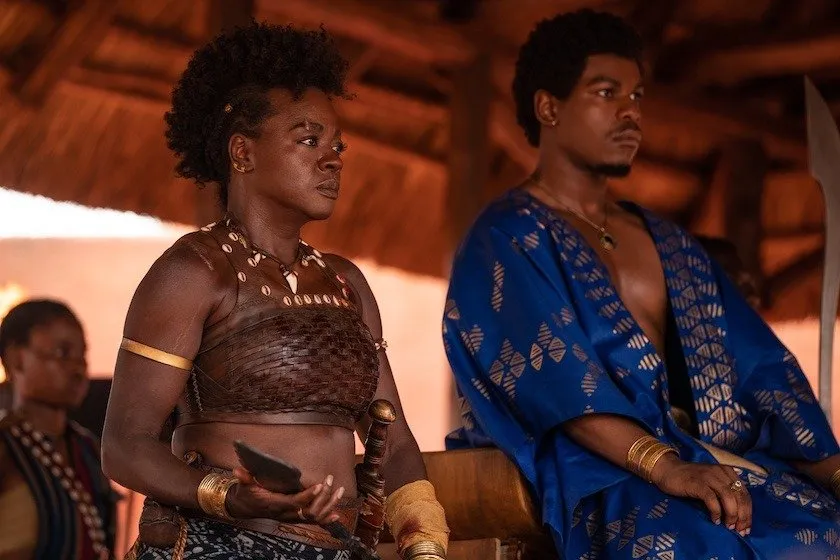
Prince-Bythewood’s direction is a triumph of cinematic storytelling. The battle sequences are fierce, choreographed with precision and urgency, yet they never overshadow the intimate character beats. A simple glance between warriors can carry as much weight as a clash of blades. The balance between spectacle and emotion is struck with near-perfect rhythm, pulling the audience into both the grandeur and the intimacy of the struggle.
Visually, the film is stunning. Sweeping shots of the African landscape contrast with the visceral immediacy of battle, each frame saturated with both beauty and brutality. The cinematography elevates the setting into a character itself, one that breathes, bleeds, and bears witness to history.
Terence Blanchard’s score is equally vital, a stirring composition that marries percussion with sweeping orchestration, carrying both the film’s ferocity and its tenderness. It underscores every moment, from the quiet exchanges of mentorship to the climactic battles at sunset, building a soundscape that echoes long after the credits roll.
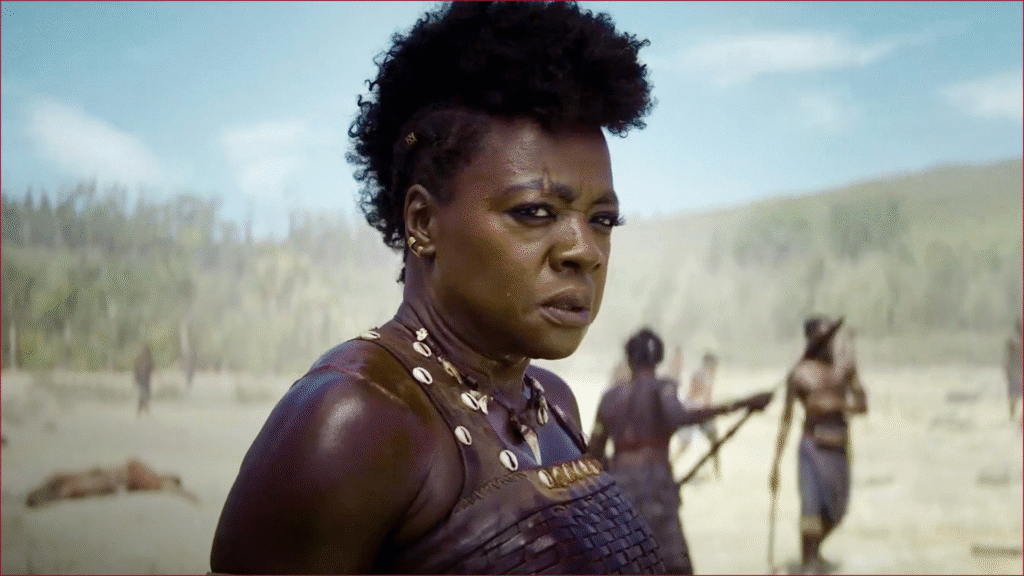
The themes of The Woman King blaze with relevance: the power of women’s unity, the courage to defy oppression, and the sacrifices required to forge a freer future. These themes, interwoven with history, remind us that the film is not only about the past but also about the struggles and victories that still echo today.
By its fiery climax—a battle staged against the setting sun—the film leaves audiences both devastated and uplifted. It is a conclusion that embodies the paradox of war: loss intertwined with triumph, sacrifice inseparable from survival.
🔥 Fierce, inspiring, and deeply human, The Woman King (2022) is not merely a film but a cultural event. With its re-release, it reaffirms its place as one of the most essential historical dramas of modern cinema—an unforgettable reminder of the power of resilience
Watch movie:

*Content is hosted on a partner site.